
Tarragon for Digestion: Refined Herb Ignites Appetite, Soothes Bloating
🌿 Benefits of Tarragon for Digestion: The Refined Herb That Ignites Appetite, Soothes Bloating & Heals Your Gut Naturally
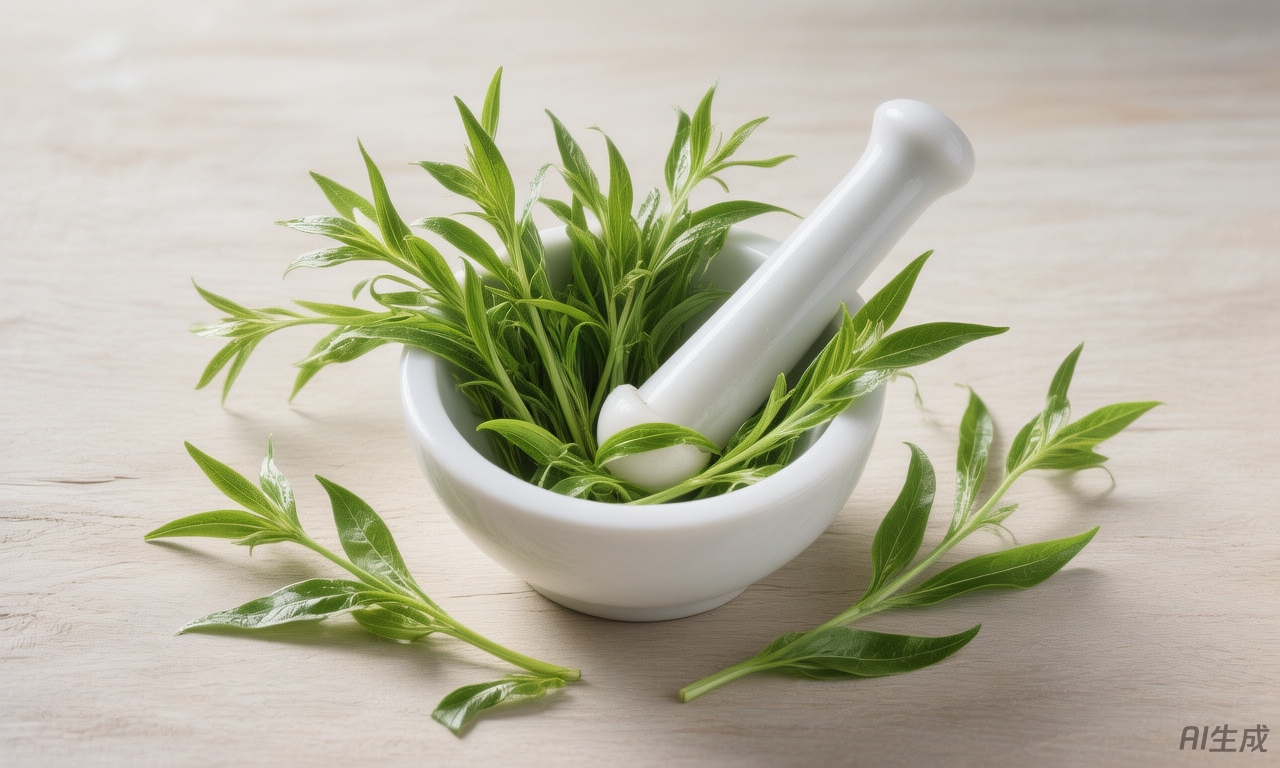
In the sun-dappled herb gardens of France and the ancient apothecaries of Persia, a slender-leaved herb has long been prized not just for its elegant anise-like flavor, but for its profound ability to awaken the digestive system: tarragon. Often called “the king of herbs” in French cuisine, tarragon is far more than a culinary accent for béarnaise sauce or delicate salads. It’s a digestive superherb packed with essential oils like estragole and methyl eugenol that actively stimulate appetite, enhance bile flow, reduce gas and bloating, and calm intestinal spasms. Revered in traditional European medicine as a “stomachic”—a substance that tones and strengthens digestion—tarragon has now captured modern interest for its gentle yet effective ability to support liver function, improve nutrient absorption, and restore digestive rhythm without harshness. In an age of sluggish digestion, post-meal fatigue, and appetite loss, this refined herb offers a return to intelligent, flavorful nourishment—aromatic, precise, and deeply healing.
At Tips Expensive, we believe true luxury lies not in indulgence, but in intelligent digestion. And tarragon? It’s nature’s original appetite igniter and gut harmonizer—grown with care, used with intention, and profoundly wise.
1. Appetite Stimulation & Gastric Readiness
Tarragon’s aromatic compounds trigger the cephalic phase of digestion—the brain’s signal to the stomach to prepare for food. This increases saliva production, gastric acid secretion, and enzyme release even before the first bite.
In traditional herbalism, a small salad with fresh tarragon was served before meals to “open the stomach.” For those recovering from illness, stress, or chemotherapy-induced appetite loss, tarragon offers a gentle, non-stimulant way to reignite hunger. Your body doesn’t just eat. It anticipates—with botanical intelligence.
2. Bile Flow & Liver Support
Tarragon stimulates the gallbladder to release bile—a critical fluid for digesting fats and absorbing fat-soluble vitamins (A, D, E, K). Without sufficient bile, even healthy fats cause bloating and discomfort.
By supporting healthy bile flow, tarragon also aids the liver in detoxifying metabolic waste and excess hormones. At Tips Expensive, we believe digestion begins not in the stomach—but in the liver. And tarragon is its quiet ally.
3. Relief from Bloating & Gas
The essential oils in tarragon—particularly estragole and ocimene—relax smooth intestinal muscles and reduce fermentation that leads to gas buildup. Unlike synthetic anti-gas medications, tarragon works preventively by improving overall digestive efficiency.
Adding tarragon to legume dishes, cruciferous vegetables, or rich meals isn’t just tradition—it’s strategy. Your gut doesn’t just process. It flows—with aromatic ease.
4. Intestinal Spasm Relief
Tarragon exhibits mild antispasmodic properties, helping to ease cramping associated with IBS, menstrual cycles, or nervous digestion. Its calming effect on the enteric nervous system (“second brain”) makes it ideal for stress-related digestive upset.
You don’t suppress symptoms. You soothe the source—with leaf-deep wisdom.
5. Nutrient Absorption & Metabolic Clarity
By enhancing stomach acid and bile production, tarragon ensures proteins are broken down fully and fats are emulsified—preventing undigested food from feeding harmful bacteria or triggering inflammation.
This leads to better energy, fewer cravings, and reduced post-meal fatigue. True nourishment isn’t just intake—it’s uptake. And tarragon ensures you get full value from every meal.
6. Antioxidant & Gut-Lining Protection
Tarragon contains polyphenols and flavonoids that protect the gut lining from oxidative stress and support mucosal integrity. While not a cure, this contributes to a resilient digestive environment over time.
Your gut doesn’t just endure. It regenerates—in harmony with herbs.
7. Culinary Elegance with Functional Purpose
In French cuisine, tarragon is never an afterthought—it’s a cornerstone. From classic sauces to vinegar infusions, its presence signals refinement and digestive awareness. But its use extends globally: Persian stews, Russian pickles, and Eastern European tonics all harness its power.
True gourmet cooking isn’t just about taste. It’s about how food makes you feel afterward—and tarragon ensures you rise from the table light, satisfied, and energized.
8. A Ritual of Refined, Mindful Luxury
At Tips Expensive, we honor herbs that marry elegance with function. Choose fresh tarragon with bright green, narrow leaves and a strong licorice-anise aroma. Store wrapped in a damp cloth in the crisper for up to 5 days.
Use it wisely: • Before meals: Add to green salads or herb-infused water to stimulate digestion • In cooking: Stir into sauces, dressings, or roasted vegetables in the last few minutes to preserve volatile oils • Vinegar infusion: Steep sprigs in white wine vinegar for 1–2 weeks; use in vinaigrettes • Herbal tea: Steep 1 tsp dried tarragon in hot water for 10 minutes (mild and soothing) ⚠️ Note: Safe in culinary amounts. Avoid high-dose supplements during pregnancy. This article celebrates traditional and culinary uses—not medical treatment. Always consult a healthcare provider for persistent digestive issues.
Tarragon is proof that the most transformative healing often arrives with refinement. It doesn’t overwhelm. It prepares—awakening appetite, easing tension, and guiding food through the body with grace. In an age of digestive distress and rushed meals, this elegant herb remains a timeless testament to the healing power of aroma, intention, and the quiet intelligence of plants that have seasoned human tables for millennia.
So this week—yes, this very day—buy a bunch of fresh tarragon. Crush a leaf between your fingers. Inhale its sweet, anise-like scent. Let it remind you: true wellness begins before the first bite—and tarragon ensures your body is ready to receive it.


Comments