
Parsley: Healing, Cleansing Superfood
🌿 Parsley: Healing, Cleansing Superfood
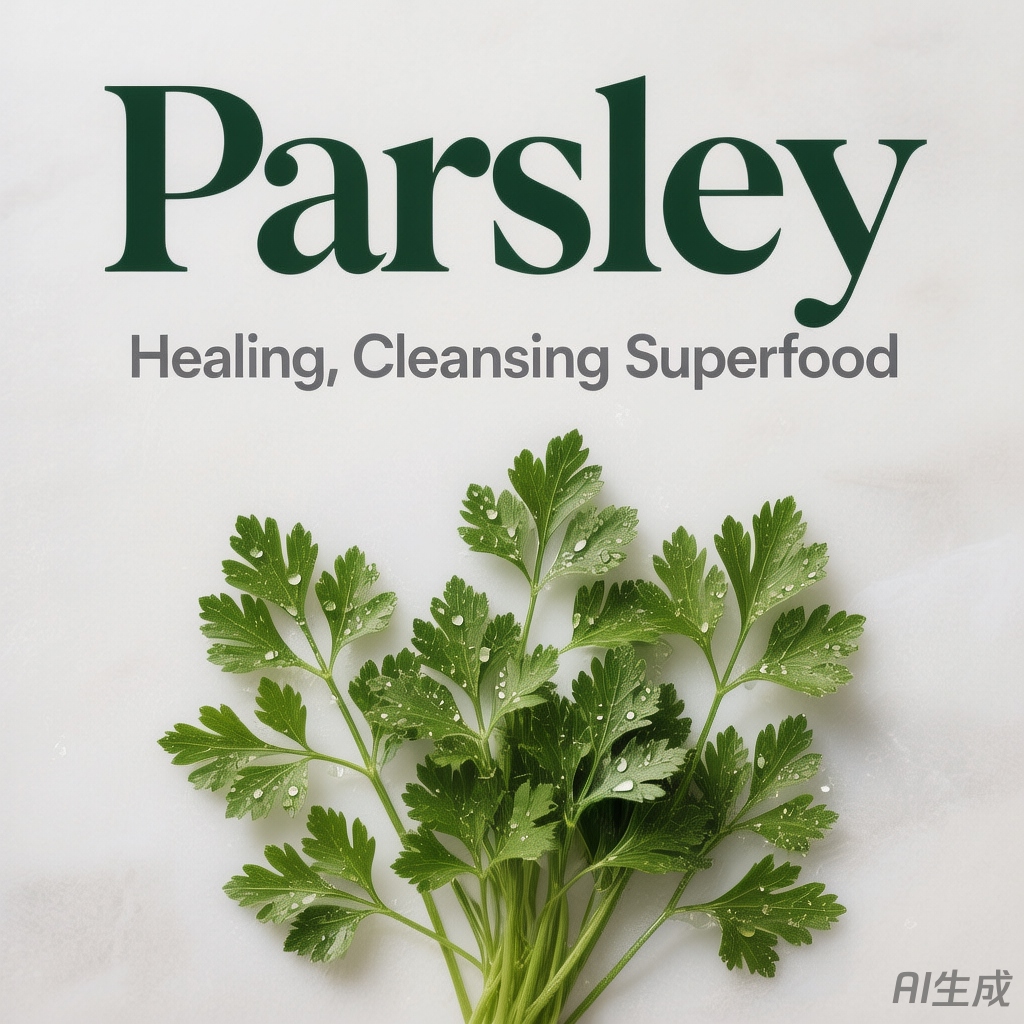
For centuries, parsley has been tossed aside as mere plate decoration—a humble garnish with no purpose beyond color. But this vibrant green herb is one of nature’s most concentrated sources of healing nutrients. Far from filler, parsley is a botanical powerhouse packed with vitamin K, vitamin C, apigenin, and chlorophyll that support bone strength, liver detoxification, immune resilience, and even cellular longevity.
At Tips Expensive, we believe true luxury isn’t about grandeur—it’s about recognizing hidden genius. And parsley? It’s quiet brilliance in leaf form. Just two tablespoons deliver more vitamin K than most people get in a day. Used in everything from tabbouleh to pesto to herbal infusions, it’s been a cornerstone of Mediterranean, Middle Eastern, and European folk medicine for millennia. No supplements. No hype. Just sun-kissed leaves that work—powerfully, efficiently, and deliciously.
1. Vitamin K Overdrive—For Bones That Last a Lifetime
Just ½ cup of fresh parsley provides over 500% of your daily vitamin K1 needs. This isn’t just a number—it’s a lifeline for your skeleton. Vitamin K activates osteocalcin, the protein that binds calcium to your bones, preventing fractures and osteoporosis.
Unlike calcium alone, vitamin K ensures minerals are directed to your bones—not your arteries, where they can cause calcification. For aging adults, postmenopausal women, and athletes alike, parsley is edible bone armor.
2. Apigenin: The Anticancer Flavonoid Hiding in Plain Sight
Parsley is one of the richest dietary sources of apigenin—a flavonoid with potent anti-inflammatory, neuroprotective, and anticancer properties. Lab studies show it can induce cancer cell death, inhibit tumor growth, and reduce angiogenesis (tumor blood supply).
Population research links high apigenin intake (from parsley, celery, and chamomile) to lower risks of breast, prostate, and digestive tract cancers. This isn’t hype—it’s edible prevention, grown in your windowsill.
3. Natural Detox & Kidney Support
Parsley has long been used as a gentle diuretic in traditional medicine. Its compounds—apiol and myristicin—stimulate kidney function, helping flush excess sodium, toxins, and metabolic waste without depleting potassium (unlike pharmaceutical diuretics).
Its high chlorophyll content also binds to heavy metals and environmental pollutants, aiding safe elimination. That’s why parsley juice is a staple in cleansing protocols worldwide—not as a fad, but as functional phytochemistry.
4. Immunity & Antioxidant Firepower
One cup of parsley delivers 80 mg of vitamin C—more than an orange! Combined with flavonoids like luteolin and quercetin, it creates a synergistic antioxidant shield that neutralizes free radicals from pollution, stress, and UV exposure.
During cold season or high-stress periods, blending parsley into smoothies or sauces isn’t just flavorful—it’s strategic immune support your body recognizes and uses immediately.
5. Heart Health Through Inflammation Control
Chronic inflammation drives atherosclerosis—but parsley fights back. Its apigenin and vitamin C reduce oxidative stress in blood vessels, lower LDL cholesterol oxidation, and improve endothelial function.
Plus, its folate helps regulate homocysteine—an amino acid linked to heart disease when elevated. In the heart-healthy Mediterranean diet, parsley isn’t optional—it’s essential.
6. Fresh Breath & Oral Health (Beyond the Garnish Myth)
Yes, parsley freshens breath—but not just by masking odors. Its chlorophyll neutralizes sulfur compounds produced by oral bacteria, while its antimicrobial compounds help reduce plaque-forming microbes.
Chewing fresh parsley after meals isn’t just tradition—it’s a natural, chemical-free way to support gum health and oral ecology. The garnish on your plate? It’s nature’s original mouthwash.
7. Skin Radiance from Chlorophyll & Vitamin C
Chlorophyll in parsley has been shown in clinical studies to reduce skin inflammation, shrink pores, and accelerate wound healing. Combined with vitamin C for collagen synthesis, it creates a luminous, resilient complexion from within.
At Tips Expensive, we believe the most elegant skincare isn’t bottled—it’s grown. And parsley is one of its most potent ingredients.
8. A Ritual of Mindful, Earth-Rooted Luxury
At Tips Expensive, we honor herbs that demand presence. Chopping parsley by hand—the rhythmic rock of the knife, the burst of herbal aroma, the vibrant green flecks—it’s a moment of culinary meditation in a rushed world.
And though it’s affordable, its impact is profound. Choose flat-leaf (Italian) for higher nutrient density and robust flavor, or curly for texture. Store it like flowers—in water, in the fridge—and it lasts for weeks. True luxury includes wisdom: knowing that the richest healing often arrives in small, green leaves.
Parsley is proof that the most powerful medicine doesn’t always take center stage. It works in the background—quietly, consistently, and completely. In an age of synthetic solutions, this humble herb remains one of the most researched, most accessible, and most effective tools for daily resilience.
So this week, don’t just use parsley as garnish—make it essential. Blend it into dressings, stir it into grains, or steep it in hot water for a cleansing tea. Let its vibrancy remind you that true wellness isn’t loud—it’s deeply, deliciously green.


Comments