
Sycamore Fruit: Ancient Botanical Remedy Soothes Lungs
🌳 Benefits of Sycamore Fruit: The Ancient Botanical Remedy That Soothes Lungs, Aids Digestion & Honors Traditional Wisdom
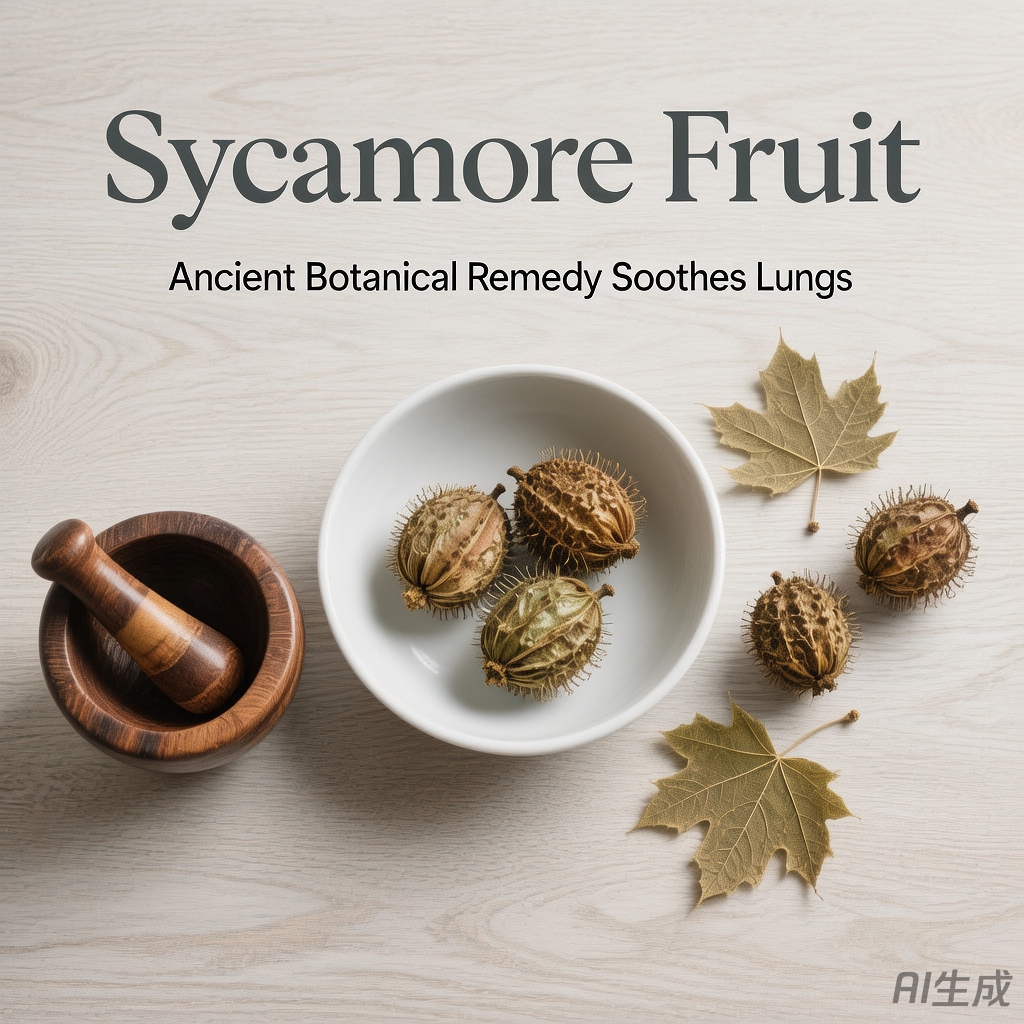
In the quiet groves of riverbanks and ancient towns, where sycamore trees stretch their mottled bark toward the sky, hangs a fruit unlike any other: not a fleshy berry or juicy drupe, but a bristly, spherical cluster of seeds known as a “buttonball.” While often overlooked in modern nutrition, sycamore fruit (from Platanus occidentalis and related species) holds a profound place in folk medicine across North America, the Middle East, and the Mediterranean. Revered not as food, but as traditional herbal medicine, sycamore fruit and bark have been used for centuries to soothe respiratory ailments, ease digestive discomfort, and promote wound healing. Though not a dietary superfruit like berries or dates, its value lies in ethnobotanical wisdom—passed down through generations who listened closely to the language of trees. In an age of synthetic remedies, sycamore reminds us that healing often grows quietly, patiently, and without fanfare.
⚠️ Important Note: Sycamore fruit is not commonly consumed as food and should not be eaten raw or in large quantities. Its historical use is primarily topical or as a carefully prepared decoction under expert guidance. This article honors tradition—not as medical advice, but as cultural insight.
At Tips Expensive, we believe true luxury includes reverence for ancestral knowledge. And sycamore? It’s nature’s quiet healer—rooted in place, time, and deep observation.
1. Respiratory Relief in Folk Tradition
In Native American and Appalachian herbalism, a decoction made from sycamore bark (which surrounds the fruit clusters) was used to ease coughs, bronchitis, and sore throats. The astringent tannins help reduce mucosal inflammation and dry excessive secretions.
Similarly, in parts of the Middle East, sycamore bark tea was historically given to calm persistent coughs—especially in dry, cold seasons. You don’t suppress a cough. You soothe the tissue beneath—with tree-born wisdom.
2. Digestive Support & Astringent Action
The high tannin content in sycamore bark gives it natural astringent properties—making it a traditional remedy for mild diarrhea and intestinal irritation. By tightening mucous membranes, it reduces fluid loss and calms gut inflammation.
Cherokee and Iroquois healers used small doses of bark infusion for digestive upset—a practice grounded in plant chemistry, not myth. True gut healing sometimes comes from the bark, not the berry.
3. Wound Healing & Topical Antimicrobial Use
Crushed sycamore leaves or bark poultices were applied to cuts, burns, and skin ulcers across multiple cultures. The tannins act as a natural antiseptic, while the astringency helps contract tissues and reduce bleeding.
In traditional Egyptian and Levantine medicine, sycamore sap and bark were used in salves for skin infections—a practice referenced in ancient texts. Nature’s first aid often grows on branches.
4. Cultural & Spiritual Significance
Beyond physical healing, the sycamore tree holds deep symbolic meaning. In ancient Egypt, it was sacred to goddesses like Hathor and Nut—associated with protection, nourishment, and the afterlife. In the Bible, Zacchaeus climbed a sycamore tree to see Jesus, symbolizing humility and revelation.
The fruit, though modest, carries this legacy: a reminder that some trees heal not by feeding us, but by teaching us patience, resilience, and connection to place.
5. Ecological & Historical Importance
Sycamores are among North America’s largest hardwood trees, often living 200–600 years. Their fruit balls release thousands of winged seeds, sustaining birds and small mammals. Historically, their hollow trunks sheltered settlers and wildlife alike.
To honor sycamore fruit is to honor ecological interdependence—a core principle of sustainable wellness. True health includes the health of the forest.
6. Modern Research & Cautious Interest
While clinical studies on sycamore fruit are limited, lab analyses confirm high tannin, phenolic, and flavonoid content—compounds with documented antioxidant and antimicrobial effects.
However, sycamore contains compounds like tannic acid and possibly trace alkaloids that can be irritating or toxic if misused. Never consume sycamore fruit or bark without guidance from a qualified herbalist.
7. Not a Food—But a Teacher
Unlike dates, figs, or berries, sycamore fruit is fibrous, dry, and inedible to humans. Its value isn’t caloric—it’s educational. It reminds us that not all plant medicine is sweet or palatable—and that respect for traditional knowledge includes understanding context, preparation, and caution.
In a world obsessed with superfood trends, sycamore stands as a humbling counterpoint: healing isn’t always tasty. Sometimes, it’s bristly, ancient, and deeply wise.
8. A Ritual of Respectful Observation
At Tips Expensive, we honor plants by learning their stories—not just their supplements. If you encounter a sycamore tree: • Observe its peeling bark and spherical fruit with reverence • Never harvest bark or fruit without permission and knowledge • Support conservation of native hardwood forests True luxury includes stewardship—the kind that protects wisdom trees for generations to come.
Sycamore fruit is proof that the most profound healing doesn’t always come in a bottle or a berry. Sometimes, it hangs quietly on a riverbank tree—bristly, unassuming, and full of ancestral memory. It doesn’t offer quick fixes. It offers perspective: that wellness is woven into ecosystems, traditions, and the slow wisdom of centuries-old trees.
So the next time you see a sycamore, pause. Look up. Let its mottled bark and dangling fruit remind you: not all medicine is meant to be eaten. Some is meant to be witnessed—and honored.


Comments