
Sumac: Vibrance Super-Spice Balances Blood Sugar, Boosts Immunity
🟥 Benefits of Sumac: The Vibrant Super-Spice That Balances Blood Sugar, Boosts Immunity & Shields Cells Naturally
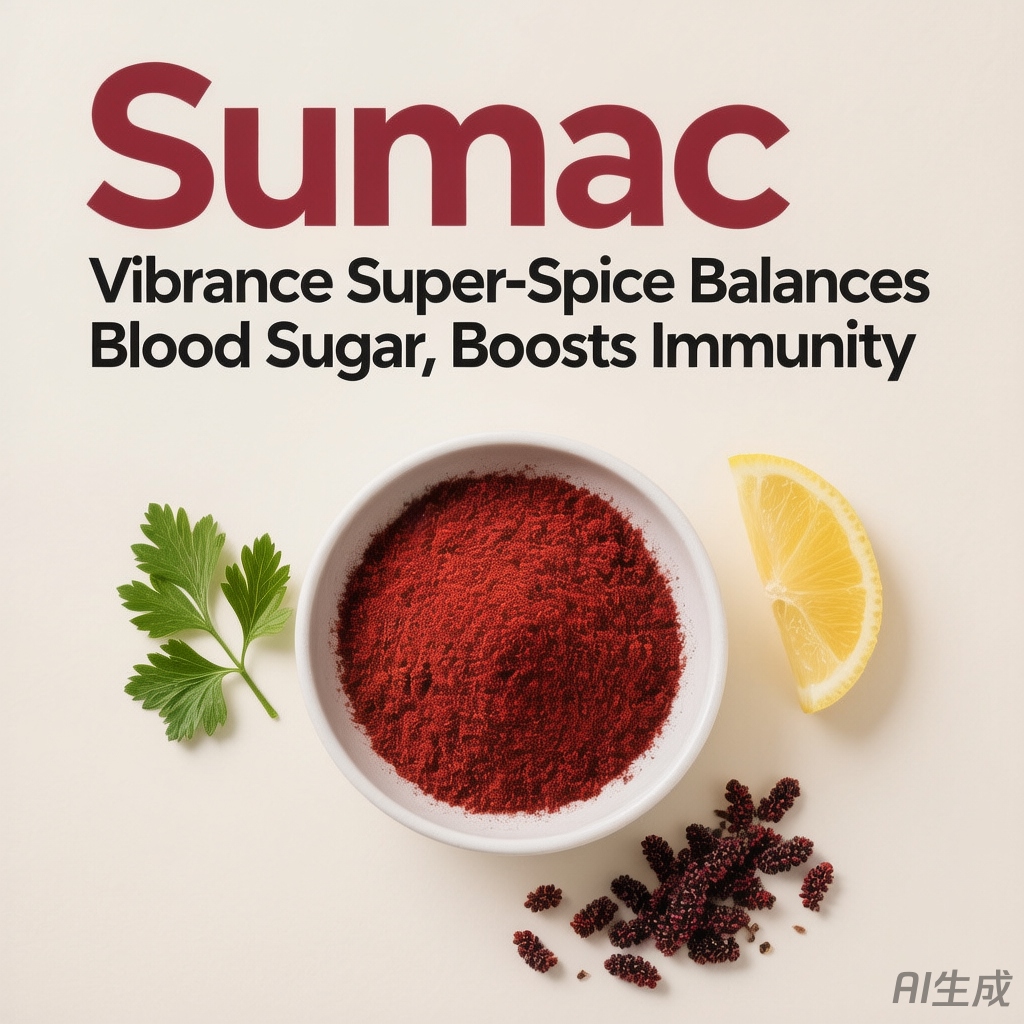
In the sun-baked hills of the Levant, the ancient spice markets of Istanbul, and the fragrant kitchens of Persian grandmothers, a crimson spice adds both color and cure to every dish: sumac. Made from the dried and ground berries of the Rhus coriaria shrub, sumac is far more than a tangy garnish for hummus or falafel—it’s a vibrant super-spice packed with gallic acid, anthocyanins, and vitamin C that actively balances blood sugar, fortifies immunity, supports digestion, and shields cells from oxidative stress. Revered in traditional Arabic and Persian medicine as a cooling agent for “internal heat” and digestive fire, sumac has now captured modern scientific attention for its exceptional antioxidant capacity—surpassing even acai and blueberries in some lab tests—and its ability to improve insulin sensitivity and reduce post-meal glucose spikes. In an age of metabolic imbalance, immune vulnerability, and flavorless “healthy” eating, this tart, ruby-red spice offers a return to intelligent, joyful nourishment—bold, bright, and deeply healing.
At Tips Expensive, we believe true luxury lies not in sweetness, but in intelligent acidity. And sumac? It’s nature’s original metabolic and immune tonic—harvested wild, sun-dried with care, and profoundly wise.
1. Blood Sugar Balance & Metabolic Clarity
Sumac’s high concentration of polyphenols and tannins slows carbohydrate digestion and enhances insulin receptor function. Human trials show that consuming just 3 grams of sumac daily (about 1 teaspoon) significantly lowers fasting blood glucose and HbA1c in people with type 2 diabetes within 3 months.
Sprinkling sumac on rice, bread, or grilled meats isn’t just tradition—it’s a strategic act of metabolic defense. Your cells don’t just absorb sugar. They respond—with ruby intelligence.
2. Immune Fortification & Antioxidant Power
Sumac ranks among the highest antioxidant foods on Earth—its ORAC (Oxygen Radical Absorbance Capacity) value exceeds 1,500 µmol TE/g, outperforming many superfruits. Its gallic acid and anthocyanins neutralize free radicals, reduce inflammation, and enhance white blood cell activity.
During cold season, a pinch of sumac in warm water with honey is a traditional Middle Eastern remedy to shorten illness duration. At Tips Expensive, we believe immunity thrives on daily nourishment—not emergency fixes.
3. Digestive Harmony & Liver Support
Sumac’s mild acidity stimulates saliva and gastric juice production, improving protein breakdown and nutrient absorption. In Unani and Ayurvedic traditions, it’s used to “cool” excess pitta (digestive fire) without suppressing it.
It also supports liver detox pathways by boosting glutathione production. Your gut doesn’t just digest. It harmonizes—with every crimson sprinkle.
4. Anti-Inflammatory & Joint Comfort
Gallic acid in sumac suppresses NF-kB and COX-2—key drivers of chronic inflammation linked to arthritis, gout, and metabolic syndrome. Regular culinary use contributes to long-term inflammatory balance.
Your joints don’t just ache. They calm—in harmony with ancient wisdom.
5. Culinary Brilliance & Flavor Without Salt
With its bright, lemony tang and subtle fruity notes, sumac adds depth without sodium—making it ideal for heart-healthy and low-salt diets. It elevates grilled meats, roasted vegetables, grain salads, yogurt dips, and even fresh fruit.
True gourmet cooking understands that flavor begins with balance—and sumac is the vibrant note that awakens every dish.
6. Skin Radiance & Cellular Protection
The antioxidants in sumac protect skin from UV damage, reduce redness, and support collagen synthesis. In folk beauty rituals across the Middle East, sumac-infused water is used as a toner for oily or acne-prone skin.
Your glow isn’t filtered. It’s steeped—in ruby resilience.
7. Heart Health & Cholesterol Management
Studies show sumac reduces LDL (“bad”) cholesterol and triglycerides while increasing HDL (“good”) levels—thanks to its polyphenol content and anti-inflammatory effects.
Your cardiovascular system doesn’t just pump. It pulses—with crimson clarity.
8. A Ritual of Vibrant, Mindful Luxury
At Tips Expensive, we honor purity and authenticity. Choose deep burgundy-red, coarse-ground sumac with a tangy, citrusy aroma. Avoid dull brown or overly fine powders—they may be adulterated or stale.
Use it generously: • Finishing spice: Sprinkle over hummus, falafel, grilled chicken, or fattoush salad • Marinades: Mix with olive oil, garlic, and lemon for meats or vegetables • Sumac tea: Steep ½ tsp in hot water with mint for digestion and immunity • Rice & grains: Stir into pilafs or quinoa for color and metabolic support ⚠️ Note: Safe in culinary amounts. Avoid if allergic to cashews or mangoes (same Anacardiaceae family). This article celebrates traditional, culinary, and wellness-supportive uses—not medical treatment.
Sumac is proof that the most transformative healing often arrives in color. It doesn’t soothe. It awakens—offering metabolic balance, immune strength, and cellular defense in every vibrant sprinkle. In an age of bland convenience and synthetic shortcuts, this ancient spice remains a timeless testament to the healing power of acidity, biodiversity, and the quiet generosity of shrubs that thrive in rocky soil and full sun.
So this week—yes, this very day—buy a jar of authentic sumac. Open it. Inhale its bright, lemony depth. Sprinkle it over your next meal. Let it remind you: true wellness isn’t neutral. It’s vivid, potent, and deeply rooted in the rhythm of the earth.


Comments