
Sprouted Beans: The Living Superfood That Awakens Digestion, Boosts Immunity
🌱 Benefits of Sprouted Beans: The Living Superfood That Awakens Digestion, Boosts Immunity & Ignites Cellular Vitality Naturally
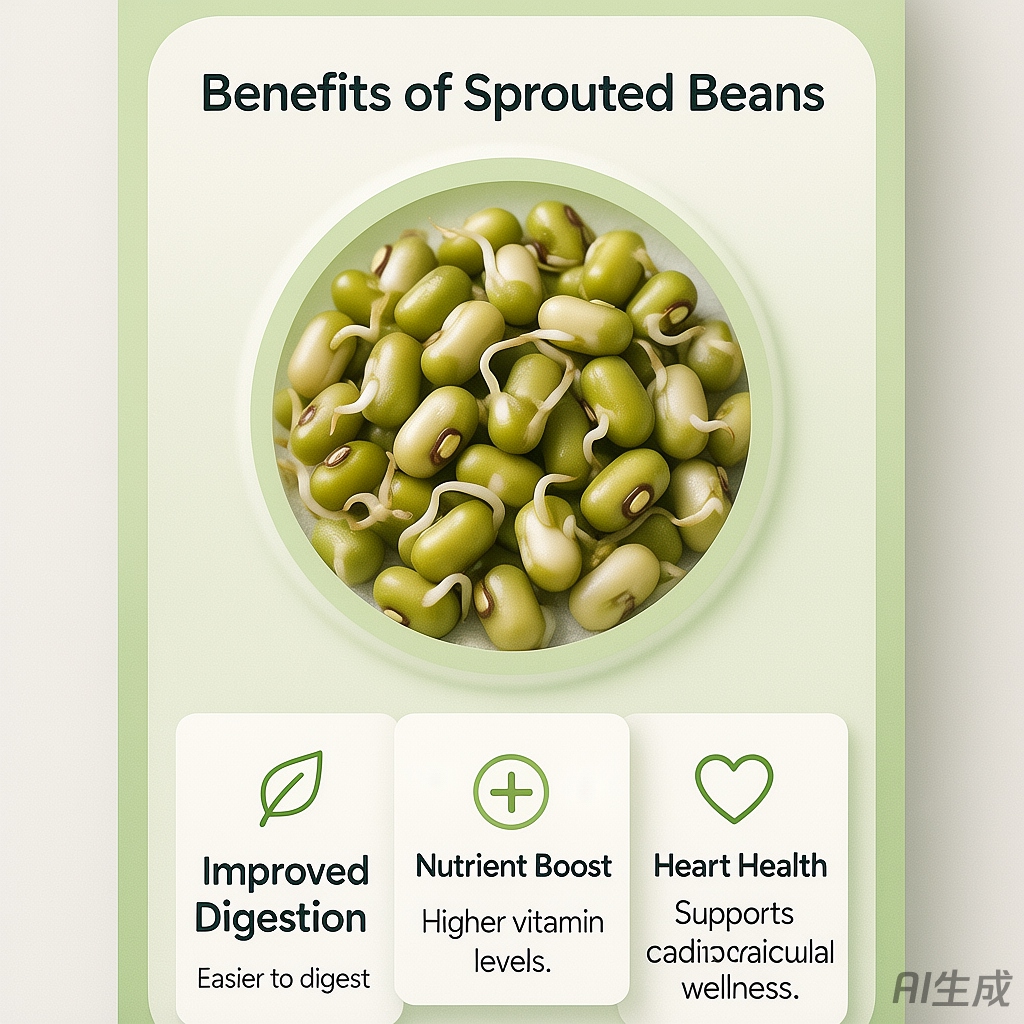
In the quiet kitchens of Ayurvedic healers, the sunlit windowsills of macrobiotic homes, and the ancient food traditions of Asia and the Middle East, a simple act of patience transforms humble legumes into vibrant life: sprouting. When dried beans—like mung, lentils, chickpeas, or adzuki—are soaked and allowed to germinate, they awaken from dormancy, unlocking a surge of enzymes, vitamins, and bioactive compounds that dramatically enhance their nutritional power. Far more than a crunchy salad topping, sprouted beans are a living superfood—packed with up to 300% more vitamin C, activated B vitamins, predigested protein, and neutralized anti-nutrients like phytic acid and lectins. This natural alchemy makes them exceptionally gentle on digestion, highly absorbable, and rich in antioxidants that support immunity, detoxification, and cellular renewal. Revered in traditional systems as “food for convalescence,” sprouted beans have now captured modern nutritional science’s attention for their ability to reduce inflammation, improve gut health, and deliver clean, vibrant energy without heaviness. In an age of processed convenience and nutrient-depleted diets, this ancient practice offers a return to intelligent, deeply alive nourishment—simple, potent, and profoundly healing.
At Expensive Tips, we believe true luxury lies not in complexity, but in activation. And sprouted beans? They’re nature’s original biohack—crafted by water, light, and time, and deeply wise.
1. Enhanced Digestibility & Gut Harmony
Sprouting breaks down complex starches and proteins into simpler forms, while neutralizing lectins and phytic acid—compounds that inhibit mineral absorption and irritate the gut. The result? Beans that are easier to digest, less gassy, and gentler on sensitive stomachs—even for those who struggle with legumes.
Your gut doesn’t just process. It celebrates—in enzymatic harmony.
2. Nutrient Bioavailability & Mineral Absorption
Phytic acid binds to iron, zinc, and calcium, making them unavailable. Sprouting reduces phytates by up to 50%, dramatically increasing the absorption of these essential minerals. Iron from sprouted lentils, for example, becomes significantly more bioavailable—ideal for vegetarians and women.
You’re not just eating beans. You’re absorbing their full potential—with every bite.
3. Enzyme Activation & Metabolic Support
During sprouting, dormant enzymes like amylase, protease, and lipase activate—pre-digesting carbs, proteins, and fats before they even reach your stomach. This reduces digestive burden and supports efficient metabolism, especially as we age and enzyme production declines.
Your body doesn’t just work harder. It works smarter—with nature’s help.
4. Antioxidant Surge & Cellular Protection
Sprouting triggers a dramatic increase in vitamin C, polyphenols, and glutathione—powerful antioxidants that neutralize free radicals, reduce DNA damage, and support liver detox pathways. Mung bean sprouts, for instance, show up to 8x higher antioxidant activity than unsprouted beans.
You’re not just eating food. You’re installing cellular armor—forged in light and life.
5. Plant Protein in Its Most Accessible Form
Sprouting increases free amino acids and improves protein quality by breaking down storage proteins into usable peptides. This makes the protein in sprouted beans more digestible and bioactive—ideal for muscle repair, enzyme production, and immune resilience.
True strength isn’t forced. It’s awakened—with gentle precision.
6. Blood Sugar Balance & Sustained Energy
The fiber in sprouted beans remains intact, while complex carbs become more accessible—creating a balanced release of glucose. Studies show sprouted legumes have a lower glycemic response than cooked beans, offering clean, crash-free energy.
Your vitality doesn’t spike. It flows—in green, living rhythm.
7. Weight Wellness & Natural Fullness
Low in calories yet high in water, fiber, and enzymes, sprouted beans promote satiety without heaviness. Their crisp texture also encourages mindful eating—a key factor in long-term weight management.
True satisfaction isn’t empty. It’s light, vibrant, and deeply nourishing.
8. A Ritual of Refined, Mindful Luxury
At Expensive Tips, we champion simplicity and self-reliance. You can sprout beans at home in 2–4 days with just a jar, water, and patience:
How to sprout: • Rinse ½ cup organic beans (mung, lentils, or chickpeas) • Soak 8–12 hours in filtered water • Drain, invert jar at an angle in a bowl (to allow airflow) • Rinse 2–3 times daily until tails appear (1–4 days) • Store refrigerated in a breathable container; use within 5 days
Enjoy them wisely: • Raw salads: Toss into grain bowls, tacos, or Asian slaws • Stir-fries: Add in the last minute to retain crunch and enzymes • Wraps & sandwiches: Use as a fresh, protein-rich filler • Smoothies: Blend young sprouts (like mung) for a nutrient boost
⚠️ Tip: Start with easy sprouters like mung beans or lentils. Avoid kidney beans—they contain toxins even when sprouted.
Sprouted beans are proof that the most transformative nourishment often arrives through awakening. They don’t just feed. They activate—offering enzymatic intelligence, mineral clarity, and cellular defense in every crisp, living bite. In an age of dead, processed foods and synthetic supplements, this ancient practice reminds us that true wellness isn’t manufactured. It’s cultivated—with water, time, and trust in nature’s intelligence.
So this week—yes, this very day—soak a handful of mung beans. Watch them split open. Witness life emerge. Eat them raw or lightly steamed. Taste their fresh, green sweetness. Let them remind you: the greatest luxuries aren’t bought. They’re grown—on your windowsill, in your care, and in alignment with the quiet pulse of life itself.


Comments