
Soybean Oil: The Balanced Truth About Heart Health, Cooking Uses
🫘 Benefits of Soybean Oil: The Balanced Truth About Heart Health, Cooking Uses & Mindful Consumption
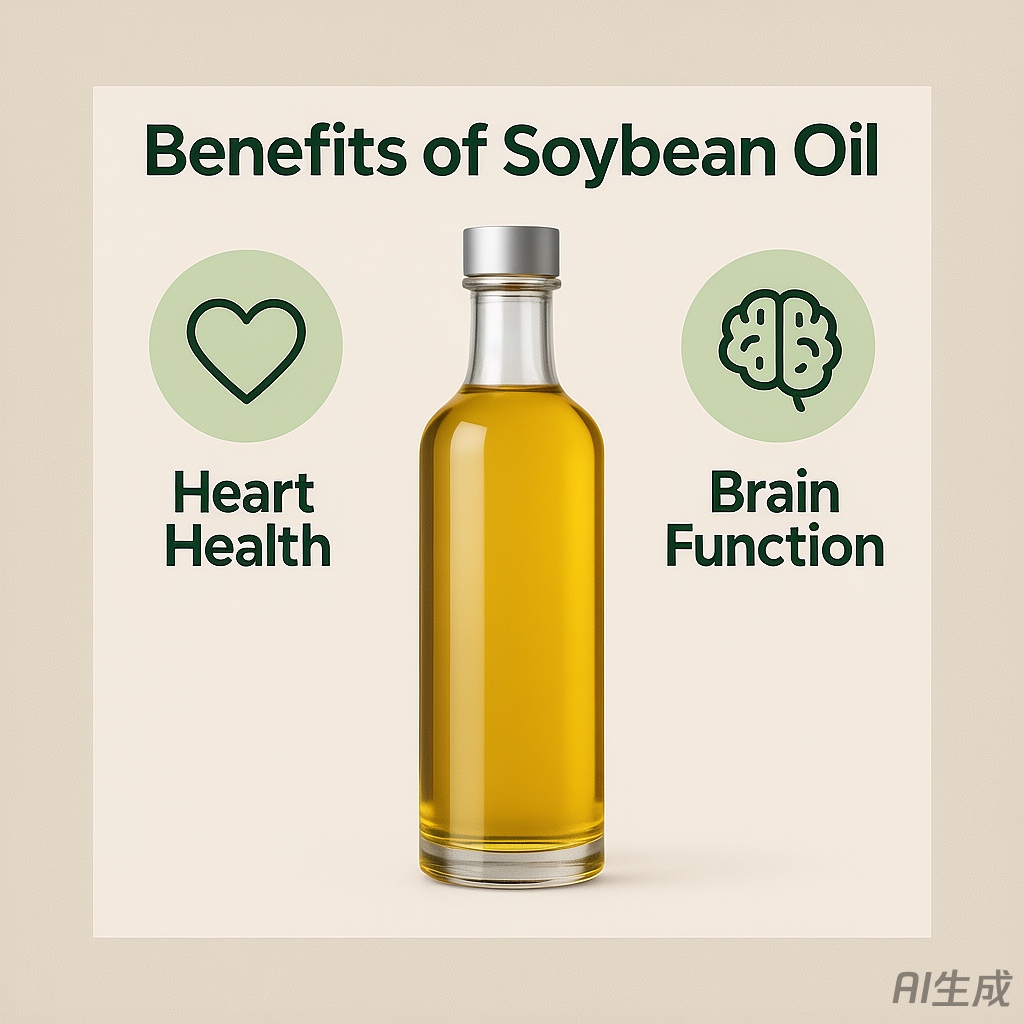
In the global kitchens of home cooks and industrial food lines alike, soybean oil is everywhere—often unnoticed, rarely questioned. But what if this ubiquitous oil holds both promise and pitfalls? Unlike whole soy foods like edamame or tempeh, soybean oil is a refined product whose benefits depend entirely on how it’s processed and used. When cold-pressed, unrefined, and consumed in moderation, soybean oil offers vitamin E and polyunsaturated fats that support heart health and skin integrity. Yet, the vast majority of commercial soybean oil is highly refined, deodorized, and rich in omega-6 fatty acids—a profile that, when unbalanced with omega-3s, may promote inflammation. At Expensive Tips, we believe true wellness lies not in fear, but in informed choice. This article cuts through the noise to reveal the nuanced truth: soybean oil isn’t inherently “good” or “bad”—it’s a tool. And like any tool, its value depends on quality, quantity, and context.
At Expensive Tips, we believe true luxury lies not in abundance, but in discernment. And with soybean oil? Wisdom means choosing wisely—and using sparingly.
1. Rich in Vitamin E & Antioxidant Protection
Unrefined soybean oil is a good source of vitamin E (tocopherols)—a fat-soluble antioxidant that protects cell membranes from oxidative damage, supports skin health, and may reduce LDL cholesterol oxidation, a key step in arterial plaque formation.
Your cells don’t just age. They’re shielded—with every mindful drop.
2. Polyunsaturated Fats & Cholesterol Management
Soybean oil contains linoleic acid (omega-6), which, when replacing saturated fats in the diet, can help lower total and LDL (“bad”) cholesterol. The American Heart Association acknowledges this benefit—when omega-6 intake is balanced with omega-3s.
Your heart doesn’t just beat. It balances—in fatty harmony.
3. High Smoke Point? Not So Fast
Refined soybean oil has a high smoke point (~450°F/230°C), making it popular for frying. But heating polyunsaturated fats to high temperatures generates harmful compounds like aldehydes. Cold-pressed soybean oil has a low smoke point (~320°F/160°C) and should never be used for deep-frying or searing.
True cooking wisdom isn’t about heat. It’s about respect for the oil’s limits.
4. Skin Nourishment (Topical Use)
Thanks to its vitamin E and emollient properties, unrefined soybean oil has been used in traditional skincare to soften dry skin and support barrier function. Some studies suggest it may improve skin hydration and reduce transepidermal water loss.
Your glow isn’t just surface-deep. It’s nourished—from the outside in.
5. The Omega-6 Dilemma
The average Western diet already contains excessive omega-6 fats (from processed foods, fried items, and refined oils) and insufficient omega-3s. This imbalance promotes chronic inflammation. Adding more refined soybean oil worsens this ratio. Moderation and balance are non-negotiable.
Your body doesn’t need more oil. It needs better balance.
6. Environmental & Ethical Considerations
Over 94% of U.S. soy is genetically modified and grown as commodity crop, often linked to deforestation and heavy pesticide use. Choosing organic, non-GMO, cold-pressed soybean oil supports sustainable farming—but even then, it’s best used occasionally, not daily.
At Expensive Tips, we honor ingredients that respect both body and earth.
7. Better Alternatives for Daily Use
For everyday cooking, consider more stable, nutrient-rich oils: • Olive oil: For low-heat cooking and dressings (rich in monounsaturated fats and polyphenols) • Avocado oil: For medium-heat cooking (neutral taste, high smoke point, heart-healthy) • Coconut oil (virgin): For baking or tropical dishes (stable saturated fat)
Soybean oil? Reserve it for specific recipes—or better yet, skip it altogether unless you find a truly artisanal, unrefined version.
8. A Ritual of Refined, Mindful Luxury
If you choose to use soybean oil: • Only buy organic, cold-pressed, unrefined (dark glass bottle, refrigerated) • Use raw only: In dressings, marinades, or drizzled over finished dishes • Never heat it: Its delicate fats oxidize easily • Store properly: In the fridge, away from light, and use within 2–3 months
But honestly? At Expensive Tips, we recommend focusing on whole soy foods (tofu, tempeh, edamame) and reserving oils for those with stronger nutritional profiles and greater stability.
Soybean oil is a mirror of our modern food system: convenient, pervasive, and complex. It’s not a villain—but it’s rarely a hero. True nourishment comes not from default choices, but from conscious ones. By understanding its limits and honoring its rare, unrefined form, we reclaim power over our plates. In an age of blind consumption, this awareness is the ultimate luxury.
So this week—yes, this very day—check your pantry. If you have conventional soybean oil, consider gifting it or using it up mindfully. Then, invest in a small bottle of extra virgin olive oil or avocado oil instead. Let your fats be intentional, stable, and deeply aligned with your health.


Comments