
Loquat: Gentle Spring Superfruit Soothes Lungs
Benefits of Loquat: The Gentle Spring Superfruit That Soothes Lungs, Heals Digestion & Radiates from Within
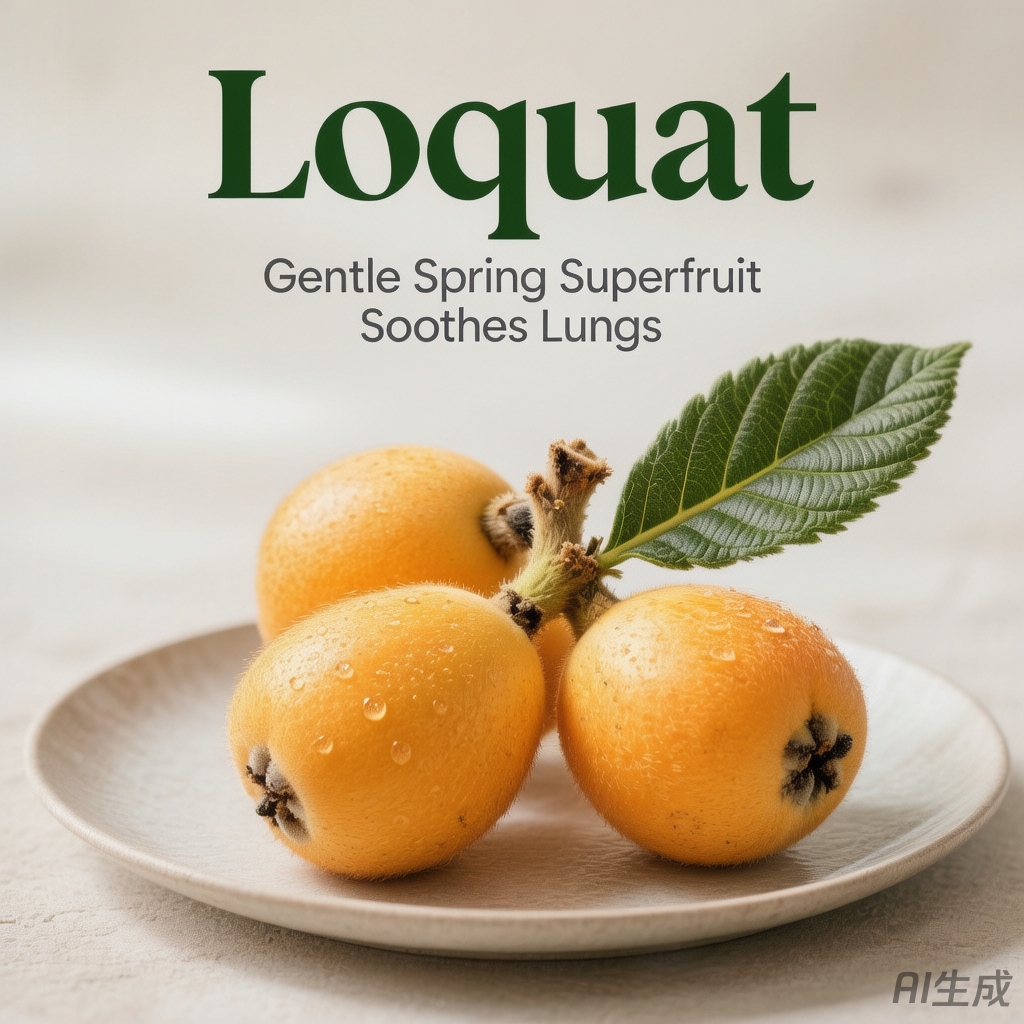
In the misty orchards of southern China and the sun-kissed hills of Japan, where plum blossoms fade and spring air carries a gentle warmth, ripens a fruit of quiet elegance: the loquat. Known as “pipa” in Chinese (for its lute-like shape) and “biwa” in Japan, this small, golden fruit is far more than a seasonal delicacy. For over 2,000 years, it has been revered in Traditional Chinese Medicine (TCM) as a lung-soothing, cough-calming, and digestion-harmonizing superfruit. Modern science now confirms what ancestral healers always practiced: loquat is packed with vitamin A (as beta-carotene), vitamin C, fiber, and unique triterpenes that actively support respiratory health, immune resilience, digestive balance, and radiant skin. Unlike acidic citrus or heavy fruits, loquat offers gentle nourishment—ideal for sensitive systems, seasonal transitions, and post-winter detox. In an age of chronic coughs, dry air, and gut imbalances, this spring jewel offers a return to intelligent, seasonal healing—soft, subtle, and deeply wise.
At Tips Expensive, we believe true luxury lies not in intensity, but in alignment with nature’s rhythms. And loquat? It’s spring’s original lung tonic—ephemeral, elegant, and profoundly restorative.
1. Lung Health & Respiratory Soothing
In TCM, loquat is the premier fruit for “moistening Lung Yin” and calming dry, persistent coughs—especially those worsened by dry air, allergies, or post-viral fatigue. Its mucilage and anti-inflammatory triterpenes (like tormentic acid) soothe irritated airways and reduce bronchial inflammation.
Loquat leaf tea (“Biwa-cha” in Japan) is famous for this purpose—but the fruit itself offers gentle, edible support. You don’t suppress a cough. You comfort the tissue beneath—with golden care.
2. Immune Support & Antioxidant Power
Loquats are rich in vitamin A (270 IU per fruit) and vitamin C (1mg, plus synergistic flavonoids)—nutrients essential for maintaining the integrity of respiratory and gut mucosa, your first line of immune defense.
Their carotenoids and phenolic acids neutralize free radicals from pollution and seasonal allergens. At Tips Expensive, we believe immunity isn’t boosted—it’s maintained through gentle, daily nourishment.
3. Digestive Harmony & Gentle Fiber
With 1.7g of fiber per fruit (both soluble and insoluble), loquat promotes regularity without irritation. In TCM, it “regulates Stomach Qi” to ease bloating, nausea, and mild indigestion.
Its mild acidity stimulates digestive enzymes, while its water content (87%) supports hydration—a key factor in gut motility. Your digestion doesn’t just move. It calms—with spring intelligence.
4. Skin Radiance & Anti-Aging Glow
Vitamin A in loquat supports cell turnover and collagen production, while antioxidants protect against UV and pollution damage. Regular consumption during spring helps transition skin from winter dryness to summer resilience.
Your complexion doesn’t just brighten. It breathes—reflecting internal lung and large intestine health, as TCM teaches. True beauty flows from within—and loquat clears the channels.
5. Heart Health & Potassium Balance
Loquats provide potassium (266mg per 100g), which helps balance sodium, relax blood vessels, and support healthy blood pressure—especially important after winter diets high in salt and preserved foods.
Combined with its antioxidants, loquat offers quiet cardiovascular support just as the body awakens from seasonal hibernation.
6. Anti-Inflammatory & Cellular Protection
Loquat seeds and leaves contain amygdalin (vitamin B17) and triterpenes with documented anti-inflammatory and anti-tumor effects in lab studies. While the flesh is mild, it carries these protective compounds in safe, food-level amounts.
You’re not just eating fruit. You’re participating in a 2,000-year-old tradition of cellular defense—gentle, consistent, and seasonal.
7. Weight Wellness & Spring Detox
At just 28 calories per fruit and high in water and fiber, loquat is an ideal spring cleanser—helping flush winter stagnation without harsh methods. In Japanese folk tradition, it’s eaten to “reset” the body after heavy seasonal eating.
True detox isn’t drastic. It’s as simple as eating what ripens when your body needs it most.
8. A Ritual of Seasonal, Mindful Luxury
At Tips Expensive, we honor foods that teach us presence. Loquats are highly perishable—best eaten within days of harvest. Choose plump, golden-yellow fruits with smooth, velvety skin (avoid green or bruised ones).
Enjoy them: • Whole, skin-on (rich in fiber and antioxidants) • Chilled as a morning spring ritual • In light salads with mint and cucumber • Simmered into a low-sugar compote for oatmeal ⚠️ Note: Loquat seeds contain cyanogenic glycosides and should never be eaten raw or in large quantities. Discard seeds or use only under expert herbal guidance. True luxury includes respect—for both gift and boundary.
Loquat is proof that the most profound healing often arrives without fanfare. It doesn’t shout. It soothes—offering lung clarity, gut calm, and skin radiance precisely when we need it most. In an age of year-round sameness and synthetic solutions, this spring fruit remains a timeless testament to the healing power of seasonality, subtlety, and the quiet wisdom of trees that bloom before they leaf.
So this spring—yes, this very week—seek out loquats at your Asian market or farmers’ stand. Hold one in your palm. Peel back its soft skin. Taste its honeyed-tart nectar. Let it remind you: true wellness isn’t forced. It ripens—with light, with time, and with the gentle breath of a new season.


Comments