
Japanese Miso: The Living Superfood That Heals Gut, Boosts Immunity
🍶 Benefits of Japanese Miso: The Living Superfood That Heals Gut, Boosts Immunity & Nourishes Longevity Naturally
In the quiet fermentation rooms of Japan, where cedar barrels breathe with time and temperature, a golden-brown paste has healed generations: Japanese miso. Crafted from just three ingredients—soybeans, salt, and koji (Aspergillus oryzae mold)—and aged for months to years, miso is far more than a soup base. It’s a living, enzymatic superfood teeming with probiotics, bioactive peptides, and antioxidants that actively restore gut balance, fortify immunity, enhance digestion, and support cellular longevity. Rooted in Buddhist temple cuisine and refined over 1,300 years, miso embodies the Japanese principle of shokuyō—“food as medicine.” Modern science now confirms what ancestral wisdom has long known: regular miso consumption is linked to lower rates of cancer, heart disease, and digestive disorders in Japan. In an age of sterile diets and gut fragility, this ancient ferment offers a return to intelligent, deeply restorative nourishment—complex, alive, and profoundly healing.
At Expensive Tips, we believe true luxury lies not in novelty, but in time-honored vitality. And miso? It’s nature’s original gut-healing elixir—crafted by mold, aged with patience, and deeply wise.
1. Gut Health & Probiotic Powerhouse
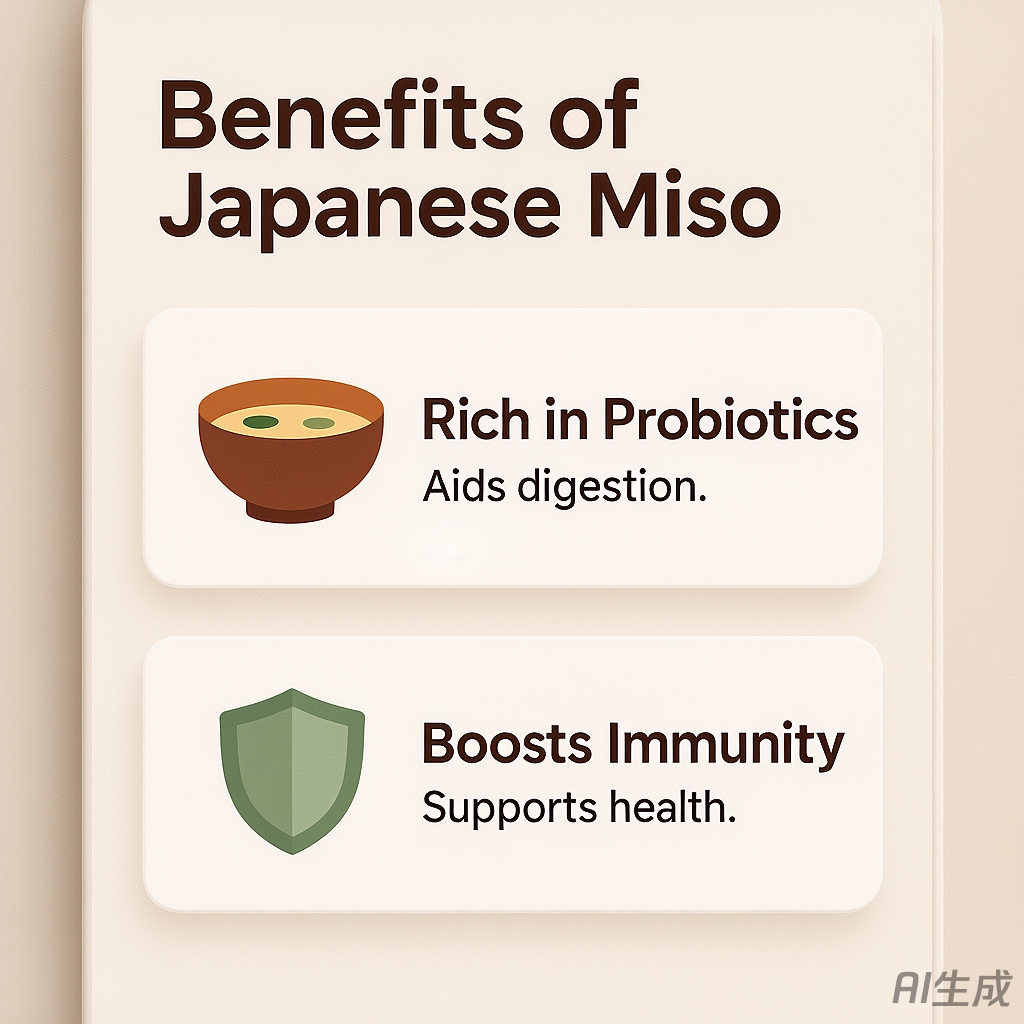
Unpasteurized miso contains billions of beneficial bacteria—Lactobacillus, Tetragenococcus, and more—that colonize the gut, crowd out pathogens, and strengthen the intestinal barrier. This microbiome support is foundational to immunity, mood, and inflammation control.
Your gut doesn’t just digest. It defends—with every savory spoonful.
2. Immune Fortification & Antimicrobial Action
Miso’s fermentation produces natural antimicrobial compounds that inhibit harmful bacteria and viruses. Combined with its zinc, selenium, and vitamin K2 content, it creates a gentle shield—especially valuable during cold season.
Your defenses don’t just activate. They harmonize—in microbial balance.
3. Enhanced Digestion & Enzyme Support
Koji mold breaks down soy proteins into free amino acids and produces digestive enzymes like protease and amylase. These pre-digest nutrients, easing the burden on your pancreas and improving nutrient absorption—ideal for sensitive or aging digestive systems.
Your stomach doesn’t just process. It receives—with enzymatic grace.
4. Antioxidant & Cellular Protection
During aging, miso develops melanoidins and phenolic compounds—potent antioxidants that neutralize free radicals from pollution, stress, and metabolic activity. Studies show miso may reduce DNA damage and slow cellular aging.
You’re not just eating paste. You’re installing cellular armor—forged in time and salt.
5. Heart Health & Blood Pressure Balance
Despite its salt content, population studies in Japan show miso consumers have lower rates of hypertension and stroke than non-consumers. Researchers believe miso’s peptides counteract sodium’s effects and improve vascular function—a testament to food synergy over isolated nutrients.
Your cardiovascular system doesn’t just pump. It balances—in fermented harmony.
6. Bone Strength & Vitamin K2
Long-aged miso (especially red and barley varieties) is rich in vitamin K2 (menaquinone-7)—a nutrient that directs calcium into bones and teeth while keeping it out of arteries. This supports bone density and arterial flexibility simultaneously.
Your skeleton doesn’t just endure. It thrives—with microbial intelligence.
7. Detoxification & Liver Support
Miso contains compounds that enhance glutathione production—the body’s master antioxidant—and support Phase II liver detox pathways. After radiation exposure (including medical scans), miso has been traditionally used in Japan to aid recovery.
Your cells don’t just survive. They cleanse—in golden-brown calm.
8. A Ritual of Refined, Mindful Luxury
At Expensive Tips, we honor authenticity and variety. Choose organic, unpasteurized miso based on your needs: • White (Shiro): Mild, sweet, short-aged (2–6 months)—ideal for dressings and light soups • Red (Aka): Robust, salty, long-aged (1–3 years)—rich in K2 and antioxidants • Barley (Mugi): Earthy, balanced—excellent all-purpose choice
Use it wisely: • Miso soup: Stir into hot (not boiling) broth at the end to preserve probiotics • Marinades: Blend with mirin and ginger for fish or tofu • Dressings: Whisk with rice vinegar, sesame oil, and honey • Vegetable glaze: Brush on roasted eggplant or sweet potatoes
⚠️ Never boil miso—heat above 115°F (46°C) kills beneficial microbes. Store refrigerated; it lasts 1+ year.
Miso is proof that the most transformative nourishment often arrives through patience. It doesn’t rush. It ferments—offering gut healing, immune strength, and cellular wisdom in every complex, umami-rich bite. In an age of instant fixes and sterile foods, this ancient paste reminds us that true wellness is cultivated, not manufactured—born of time, simplicity, and respect for nature’s invisible allies.
So this week—yes, this very day—buy a small tub of real, unpasteurized miso. Make a quiet bowl of soup at dawn. Breathe in its earthy steam. Taste its depth. Let it remind you: the greatest luxuries aren’t loud. They’re alive, slow, and deeply rooted in the wisdom of centuries.


Comments