
Indian Cherry: Tropical Folk Remedy Soothes Inflammation, Eases Pain
🍒 Benefits of Indian Cherry: The Tropical Folk Remedy That Soothes Inflammation, Eases Pain & Honors Ancestral Wisdom
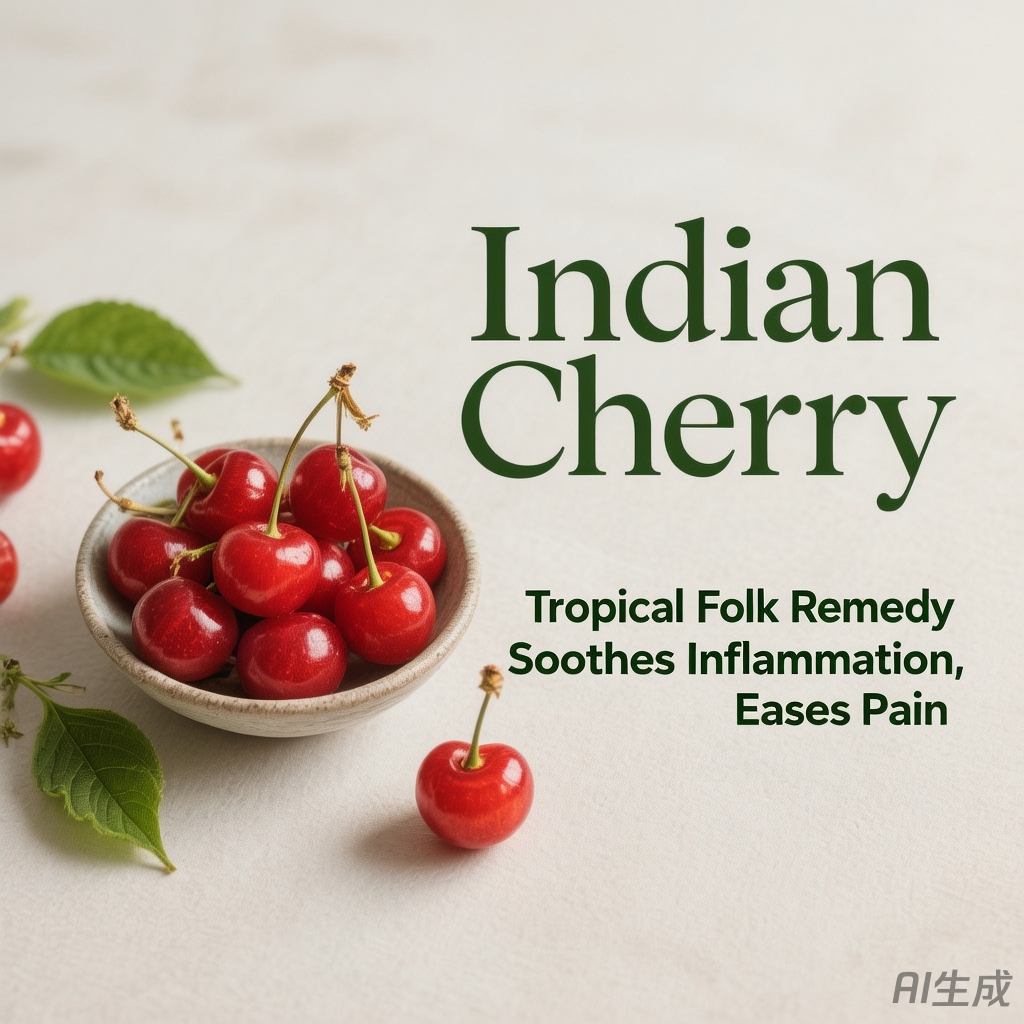
In the sun-drenched backyards of India, the Philippines, Indonesia, and Latin America, a humble tree grows with quiet generosity: the Indian cherry, scientifically known as Muntingia calabura. Despite its name, it’s not a true cherry—but a fast-growing tropical tree that bears tiny, sweet-tart red fruits loved by birds, children, and village healers alike. Often called “Jamaican cherry,” “Singapore cherry,” or “calabur tree,” this unassuming fruit has deep roots in folk medicine traditions across the tropics. For generations, its leaves, bark, and fruit have been used to ease headaches, reduce fever, calm stomachaches, and soothe joint pain. While not a mainstream superfruit like acai or blueberry, Indian cherry holds a special place in ethnobotanical wisdom—offering gentle, plant-based support rooted in observation, community, and the intelligence of everyday healing.
⚠️ Important Note: Indian cherry is primarily valued in traditional contexts. Scientific research is limited and preliminary. This article honors cultural knowledge—not as medical advice, but as a tribute to global herbal heritage.
At Tips Expensive, we believe true luxury includes reverence for ancestral knowledge. And the Indian cherry? It’s nature’s neighborhood healer—accessible, generous, and quietly wise.
1. Anti-Inflammatory & Pain Relief in Folk Practice
In the Philippines and Indonesia, a tea made from Indian cherry leaves is traditionally consumed to reduce inflammation and relieve headaches, menstrual cramps, and mild joint pain.
Preliminary lab studies suggest the leaves contain flavonoids and tannins with COX-inhibiting properties—similar to how natural anti-inflammatories like turmeric work. You don’t silence pain. You soothe its source—with leaf and water.
2. Fever Reduction & Cooling Effect
In parts of India and Central America, Indian cherry leaf infusions are given to lower fevers and cool the body during hot seasons or infections. The fruit’s high water content also provides gentle hydration during illness.
This aligns with traditional “cooling” concepts in tropical herbalism—where certain plants are used to counteract internal heat and discomfort. Nature’s pharmacy often speaks in rhythms, not chemicals alone.
3. Digestive Comfort & Mild Laxative Action
The ripe fruit is considered gentle on the stomach and is sometimes eaten to ease constipation due to its fiber and water content. In rural Brazil, the fruit is used to support regularity without harshness.
Unlike strong laxatives, Indian cherry offers mild, food-based balance—ideal for children or sensitive systems. Your gut doesn’t just move. It receives care—with simplicity.
4. Antioxidant Potential & Cellular Support
Early phytochemical analyses show Indian cherry fruit and leaves contain phenolic compounds, saponins, and vitamin C—molecules known for free radical scavenging.
While human trials are lacking, this biochemical profile supports its traditional use in promoting recovery and resilience. Every culture has its quiet antioxidants—and this red berry is one of them.
5. Respiratory Soothing & Cough Relief
In Costa Rican and Filipino folk medicine, leaf tea is used to ease dry coughs and soothe irritated throats—likely due to its mild mucilage and anti-inflammatory compounds.
During seasonal transitions, a warm cup isn’t just comfort. It’s ancestral hygiene—passed hand to hand, generation to generation.
6. Cultural & Ecological Significance
The Indian cherry tree grows rapidly, tolerates poor soil, and provides shade, fruit, and medicine—making it a “people’s tree” in many tropical regions. It’s often planted near homes for easy access to its healing gifts.
Birds and small mammals rely on its fruit, creating biodiversity in urban and rural landscapes. True wellness includes ecosystem health—and this tree nourishes both.
7. Safety & Gentle Nature
The ripe fruit is non-toxic and safe to eat in moderation. However, unripe fruit may cause mild stomach upset in sensitive individuals. Leaves and bark should only be used under guidance, as concentrated preparations may interact with medications.
Unlike potent pharmaceuticals, Indian cherry works gently—aligning with the principle that healing doesn’t have to be aggressive to be effective.
8. A Ritual of Community & Observation
At Tips Expensive, we honor plants that teach us to slow down. If you encounter an Indian cherry tree: • Observe its delicate white flowers and red fruit with gratitude • Share the fruit with children or neighbors—many tropical communities do • Learn from local elders about its traditional uses True luxury includes connection—the kind that grows from a shared tree in the village square.
Indian cherry is proof that healing doesn’t always come from distant labs or expensive bottles. Sometimes, it grows in your backyard—small, red, and freely given. It doesn’t demand attention. It offers presence. In an age of globalized superfoods and synthetic shortcuts, this humble tropical fruit remains a timeless testament to the wisdom of local plants, community care, and the quiet power of folk medicine.
So the next time you see an Indian cherry tree, pause. Taste a fruit. Thank the leaves. Let it remind you: the most accessible medicine is often the most profound—and it’s been waiting, patiently, in the shade all along.


Comments