
Green Marjoram: Soothing Super herb Calms Digestion, Eases Tension
🌿 Benefits of Green Marjoram: The Soothing Superherb That Calms Digestion, Eases Tension & Elevates Every Meal Naturally
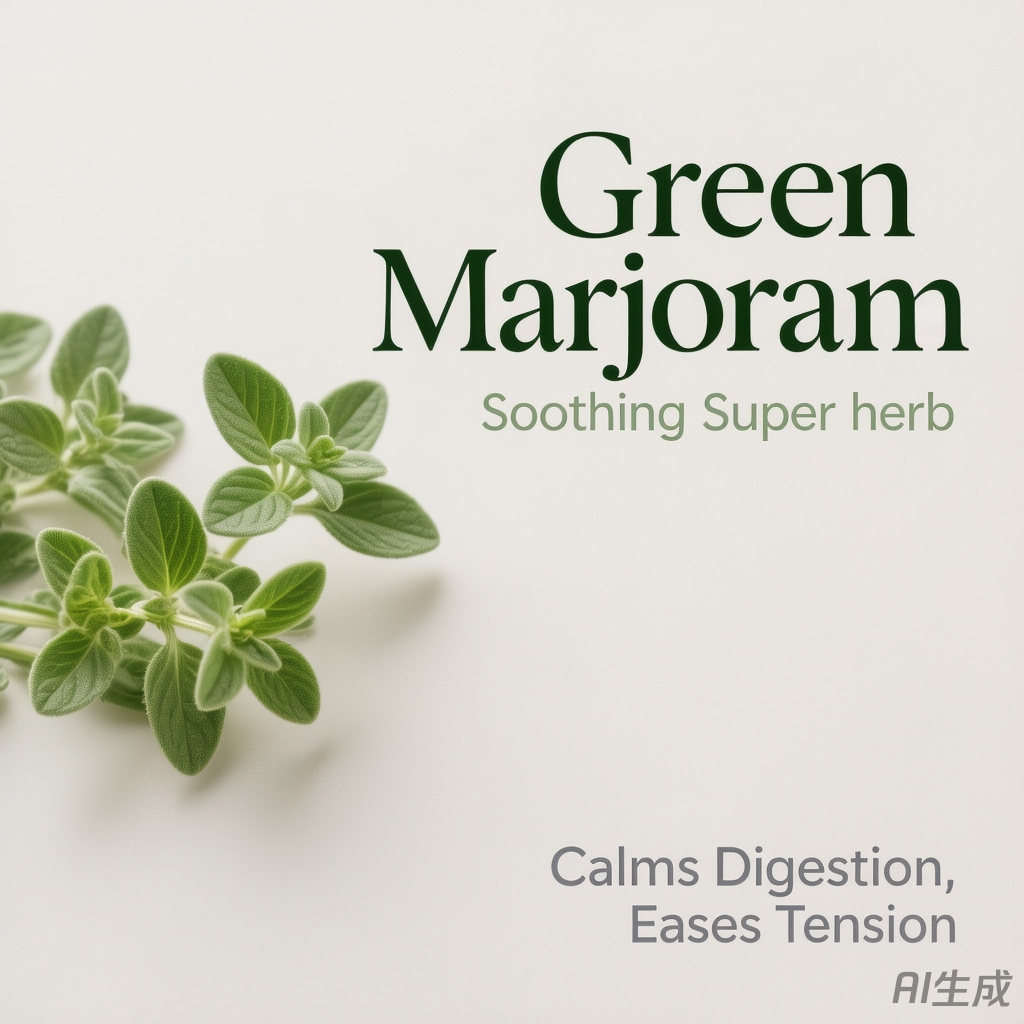
In the sun-warmed gardens of the Mediterranean, where oregano grows wild and thyme clings to rocky slopes, a gentler cousin thrives in quiet grace: green marjoram. Often mistaken for its more assertive relative, marjoram is not merely “mild oregano”—it’s a soothing superherb with a delicate floral-citrus aroma and a unique biochemical profile that actively calms digestion, eases nervous tension, supports respiratory comfort, and adds nuanced depth to every dish it touches. Revered by ancient Greeks as “joy of the mountain” and used by Roman brides to weave into wedding crowns for happiness, marjoram has long been associated with peace, harmony, and gentle healing. Modern science now confirms what herbalists have always known: marjoram contains compounds like terpinene and linalool that promote relaxation, reduce spasms, and protect cells from oxidative stress—all without sedation or side effects. In an age of chronic stress, digestive fragility, and flavor fatigue, this understated herb offers a return to intelligent, nurturing nourishment—soft, aromatic, and deeply restorative.
At Tips Expensive, we believe true luxury lies not in intensity, but in intelligent gentleness. And green marjoram? It’s nature’s original calm-in-a-leaf—grown slowly, shared with care, and profoundly wise.
1. Digestive Harmony & Spasm Relief
Marjoram’s essential oils—particularly terpinene and sabinene—relax smooth intestinal muscles, reducing bloating, gas, and cramping associated with indigestion or IBS. Unlike harsh antispasmodics, it works gently, making it ideal for sensitive systems and children.
In European folk medicine, a warm cup of marjoram tea after meals is a time-honored ritual to “close the stomach with kindness.” Your gut doesn’t just digest. It sighs—with relief.
2. Nervous System Calm & Emotional Balance
The aroma of marjoram activates the parasympathetic nervous system—the “rest and digest” mode—lowering heart rate and easing mental tension. Studies show inhaling marjoram oil reduces cortisol and promotes feelings of safety and warmth.
Diffuse it before bed, add a few drops to a warm bath, or steep fresh leaves in honeyed tea to melt away the day’s stress. At Tips Expensive, we believe true relaxation isn’t forced—it’s fragrantly invited.
3. Respiratory Comfort & Gentle Decongestion
Marjoram acts as a mild expectorant and bronchodilator, loosening mucus and opening airways without overstimulation. Its antimicrobial compounds also help soothe irritated throats and calm dry coughs.
In traditional Arabic and Turkish households, marjoram steam inhalation is a gentle remedy for colds and seasonal congestion. Your breath doesn’t just move. It flows—with leaf-born ease.
4. Antioxidant & Cellular Protection
Green marjoram is rich in rosmarinic acid, flavonoids, and vitamin C—antioxidants that neutralize free radicals from pollution, stress, and metabolic activity. Lab studies show it protects liver and nerve cells from oxidative damage.
You’re not just seasoning food. You’re weaving a subtle shield of botanical intelligence into your daily life.
5. Culinary Depth & Flavor Nuance
Where oregano shouts, marjoram whispers. Its sweet, floral notes elevate soups, stews, roasted vegetables, tomato sauces, and legume dishes without overpowering them. It’s a staple in French herbes de Provence and Middle Eastern spice blends for good reason.
Add it toward the end of cooking to preserve its delicate volatile oils. True flavor isn’t loud. It’s layered—and marjoram is the quiet note that makes the symphony complete.
6. Menstrual & Hormonal Comfort
In traditional herbalism, marjoram tea is used to ease menstrual cramps and regulate irregular cycles by promoting pelvic circulation and relaxing uterine muscles. Its calming effect also helps reduce PMS-related anxiety.
Your cycle doesn’t just endure. It harmonizes—with gentle support.
7. Skin Soothing & Topical Care
Diluted marjoram oil (1–2% in carrier oil) can calm minor skin irritations, muscle aches, and tension headaches when massaged into temples or shoulders. Its anti-inflammatory properties make it a favorite in natural wellness routines.
⚠️ Always dilute essential oils. Never apply directly to skin.
8. A Ritual of Gentle, Mindful Luxury
At Tips Expensive, we honor herbs that teach tenderness. Choose fresh green marjoram with soft, vibrant leaves and no wilting. Store wrapped in a damp cloth in the crisper for up to 5 days.
Enjoy it: • Tea: Steep 1–2 tsp fresh leaves in hot water for 10 minutes; add lemon and honey for respiratory or menstrual support • Cooking: Stir into tomato sauces, bean soups, or roasted root vegetables in the last 5 minutes • Aromatherapy: Add 3–4 drops of pure essential oil to a diffuser for evening calm • Infused oil: Steep in olive oil for salad dressings or gentle massage blends ⚠️ Note: Safe in culinary amounts. Avoid medicinal doses during pregnancy. Essential oils must always be diluted. This article celebrates traditional, culinary, and aromatic uses—not medical treatment.
Green marjoram is proof that the most transformative healing often arrives without fanfare. It doesn’t dominate. It harmonizes—offering digestive calm, nervous balance, and culinary grace in every soft, fragrant leaf. In an age of extremes and synthetic shortcuts, this gentle herb remains a timeless testament to the healing power of subtlety, patience, and the quiet generosity of plants that grow in full sun yet offer shade to the spirit.
So this week—yes, this very day—buy a bunch of fresh marjoram. Crush a leaf between your fingers. Inhale its sweet, calming scent. Let it remind you: true wellness isn’t loud. It’s soft, steady, and deeply rooted in the wisdom of the earth.


Comments