
Green Broad Beans: The Fresh Superfood That Boosts Dopamine
🌿Green Broad Beans: The Fresh Superfood That Boosts Dopamine
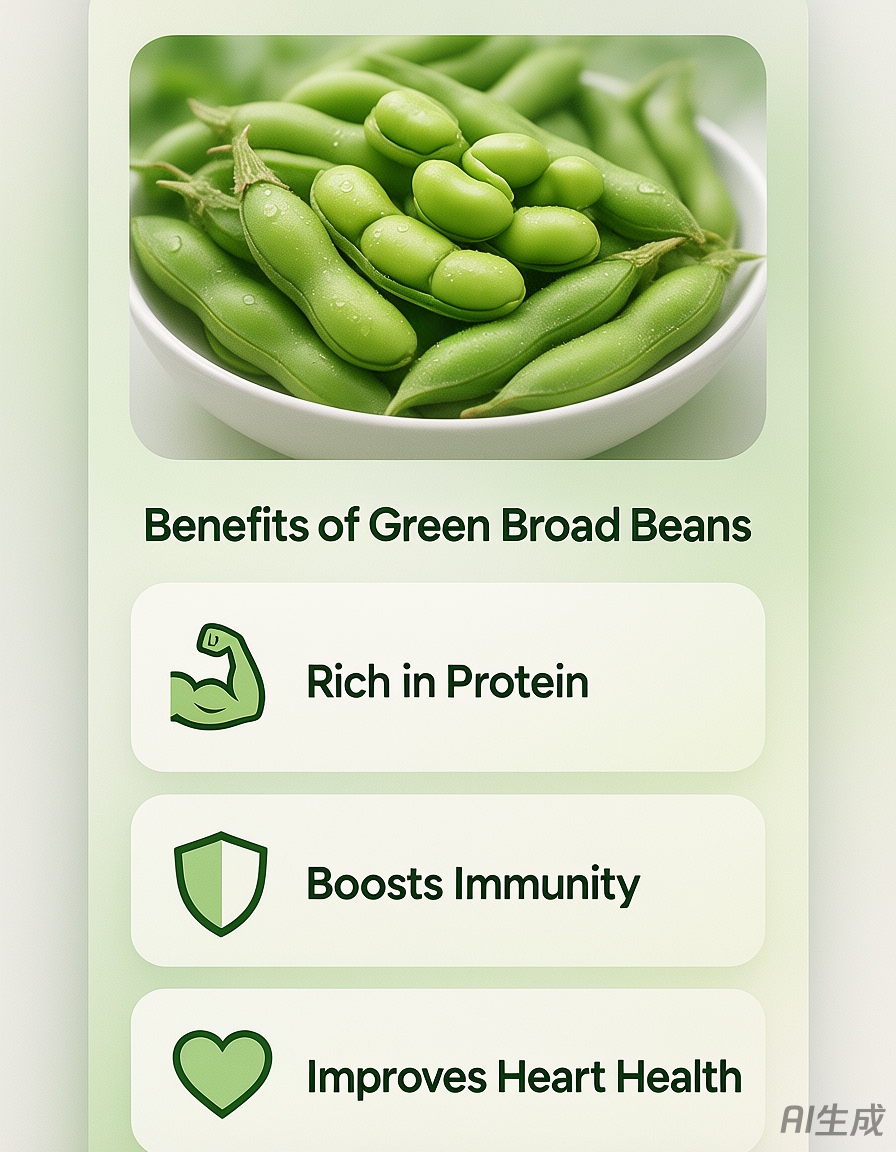
In the sun-dappled gardens of spring, where dew-kissed vines climb trellises and plump green pods hang heavy with promise, grows one of nature’s most potent seasonal treasures: green broad beans—also known as fresh fava beans. Unlike their dried counterparts, these tender, emerald-green legumes are harvested young and eaten whole—pod or bean—and offer a uniquely rich nutritional profile that bridges food and functional medicine. Packed with natural L-dopa (a precursor to dopamine), fiber, folate, and plant protein, green broad beans actively support brain chemistry, soothe digestion, protect the heart, and renew vitality during the seasonal shift from winter to spring. Revered in Mediterranean cultures as a symbol of rebirth and resilience—and even used in ancient Egyptian rituals—broad beans have now captured neuroscience and nutritional science’s attention for their ability to enhance mood, improve motor function, and deliver deep cellular nourishment. In an age of mental fatigue, digestive fragility, and year-round sameness, this fleeting spring legume offers a return to intelligent, deeply restorative eating—fresh, vibrant, and profoundly wise.
At Expensive Tips, we believe true luxury lies not in permanence, but in presence. And green broad beans? They’re nature’s original seasonal brain and gut tonic—grown in spring rain, shared with reverence, and deeply healing.
1. Brain Health & Natural Dopamine Support
Green broad beans are one of the few dietary sources of L-dopa—the direct biochemical precursor to dopamine, the neurotransmitter linked to motivation, focus, mood, and motor control. Clinical studies show that consuming fresh fava beans can temporarily increase dopamine levels, offering natural support for cognitive clarity and movement—especially valuable in aging populations.
Your mind doesn’t just think. It flows—with bean-born clarity.
2. Digestive Harmony & Gentle Fiber
Rich in both soluble and insoluble fiber (9g per cup), green broad beans promote regularity, feed beneficial gut bacteria, and support a healthy microbiome. Their mild bitterness also stimulates bile flow, aiding fat digestion and liver detoxification after winter’s heavier meals.
In traditional Italian and Egyptian kitchens, young broad beans are eaten raw with pecorino or olive oil—a spring ritual to “awaken” the digestive system. Your gut doesn’t just move. It renews—in green rhythm.
3. Heart Health & Cholesterol Balance
The fiber, potassium, and magnesium in green broad beans work together to lower blood pressure and reduce LDL cholesterol. Their folate content also lowers homocysteine—a key inflammatory marker linked to arterial damage.
Your cardiovascular system doesn’t just beat. It thrives—with legume-born grace.
4. Blood Sugar Stability & Metabolic Clarity
With a low glycemic index and high protein-fiber matrix, green broad beans slow glucose absorption, preventing insulin spikes. Research shows legume-rich diets improve insulin sensitivity and long-term blood sugar control.
True metabolic health includes seasonality—and spring’s first gift delivers it perfectly.
5. Folate & Cellular Vitality
Just one cup of cooked green broad beans provides 177mcg of folate (44% DV)—a B vitamin critical for DNA synthesis, red blood cell formation, and fetal development. Low folate is tied to fatigue, depression, and elevated heart disease risk.
You’re not just eating beans. You’re activating life—from the inside out.
6. Plant Protein & Muscle Maintenance
Green broad beans deliver 13g of complete plant protein per cup—including lysine and arginine, amino acids essential for tissue repair and nitric oxide production (which supports circulation).
True strength isn’t built in gyms alone. It’s grown in fields—and simmered with care.
7. Weight Wellness & Natural Fullness
High in volume, fiber, and protein yet low in fat, green broad beans promote satiety and reduce cravings. Population studies link regular legume consumption to lower BMI and reduced abdominal fat.
True satisfaction isn’t empty. It’s grounding—and deeply nourishing.
8. A Ritual of Seasonal, Mindful Luxury
At Expensive Tips, we honor freshness and tradition. Choose plump, bright green pods in spring (March–June in the Northern Hemisphere). For young beans, eat them raw—pod and all. For mature beans, shell twice: first from the pod, then from the waxy outer skin for tenderness.
Enjoy them wisely: • Raw: Eat young, tender beans with olive oil, lemon, and Pecorino Romano • Steamed: Lightly steam and toss with mint, garlic, and sea salt • Purée: Blend with garlic and lemon for a vibrant dip (like Egyptian ful medames) • Salads: Toss cooled beans with arugula, orange segments, and red onion ⚠️ Note: Always cook mature beans thoroughly. Avoid if you have G6PD deficiency. This article celebrates culinary and wellness-supportive uses—not medical treatment.
Green broad beans are proof that the most transformative nourishment often arrives with the seasons. They don’t shout. They awaken—offering brain clarity, digestive calm, and heart protection in every velvety, green bite. In an age of year-round sameness and synthetic shortcuts, this ancient legume reminds us that true wellness is tied to time, place, and the quiet generosity of plants that give their best only once a year.
So this spring—yes, this very week—if you find fresh green broad beans at a market, buy them. Shell them slowly. Taste their sweet, grassy depth. Let them remind you: the greatest luxuries aren’t stored. They’re savored—fully, gently, and completely in the moment.


Comments