
Egyptian Fava Beans: The Pharaonic Superfood That Boosts Dopamine
🌿 Benefits of Egyptian Fava Beans: The Pharaonic Superfood That Boosts Dopamine, Heals Digestion & Shields Heart Naturally
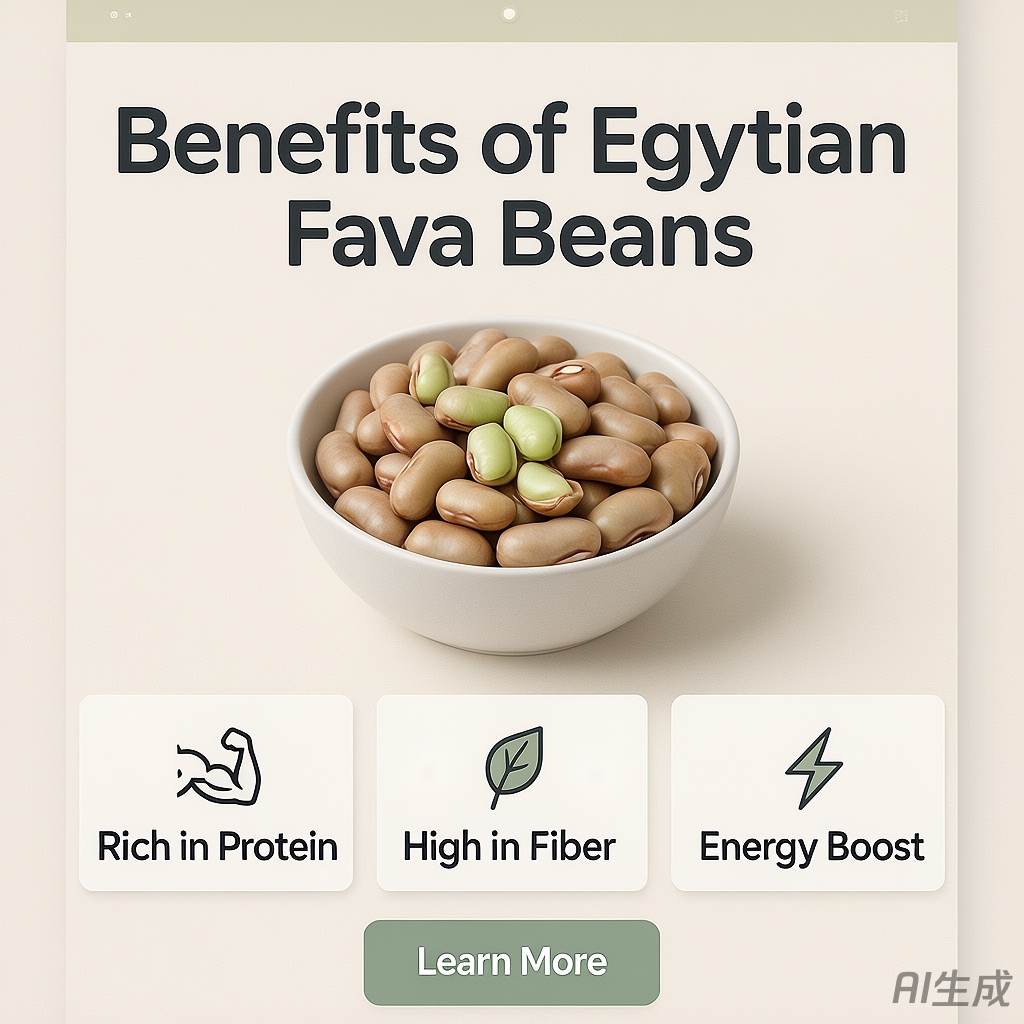
In the golden fields along the Nile, where pharaohs once walked and temples rose from desert sands, a humble legume has nourished Egypt for over 6,000 years: the Egyptian fava bean. Known locally as ful, these plump, creamy beans are far more than a breakfast staple—they’re a cultural and nutritional cornerstone packed with L-dopa, fiber, folate, and plant protein that actively support brain chemistry, heal digestion, protect the heart, and sustain vitality through scorching heat and humble means. Revered in ancient Egypt as sacred food (found in tombs of nobles and commoners alike), fava beans remain the soul of modern Egyptian cuisine—simmered overnight into ful medames, drizzled with golden olive oil, and shared at dawn across every social class. Today, modern science confirms what millennia of tradition have known: Egyptian fava beans enhance dopamine production, stabilize blood sugar, and deliver deep cellular nourishment unmatched by processed alternatives. In an age of mental fatigue, gut fragility, and cultural disconnection, this ancient pulse offers a return to intelligent, deeply rooted nourishment—earthy, communal, and profoundly healing.
At Expensive Tips, we believe true luxury lies not in novelty, but in ancestral continuity. And Egyptian fava beans? They’re nature’s original brain and gut tonic—grown by the Nile, simmered with love, and deeply wise.
1. Brain Health & Natural Dopamine Support
Egyptian fava beans are one of the richest dietary sources of L-dopa—the direct precursor to dopamine, the neurotransmitter linked to motivation, focus, mood, and motor control. Clinical studies show that consuming ful can temporarily elevate dopamine levels, offering natural support for cognitive clarity and movement—especially valuable in aging populations.
Your mind doesn’t just think. It flows—with Nile-born clarity.
2. Digestive Harmony & Gut Soothing
Rich in both soluble and insoluble fiber (9g per cup), Egyptian fava beans promote regularity, feed beneficial gut bacteria, and form a soothing gel in the digestive tract. Simmered slowly with cumin and garlic—as in traditional ful medames—they become exceptionally gentle, even for sensitive stomachs.
In Egyptian homes, ful is the first meal offered after illness or fasting. Your gut doesn’t just move. It heals—in slow, aromatic rhythm.
3. Heart Health & Cholesterol Balance
The fiber, potassium, and magnesium in fava beans work together to lower blood pressure and reduce LDL cholesterol. Their folate content also lowers homocysteine—a key inflammatory marker linked to arterial damage.
Your cardiovascular system doesn’t just beat. It thrives—with legume-born grace.
4. Blood Sugar Stability & Metabolic Clarity
With a low glycemic index and high protein-fiber matrix, Egyptian fava beans slow glucose absorption, preventing insulin spikes. This makes them ideal for managing diabetes—a growing concern in the region—and sustaining energy through long, hot days.
True metabolic health includes tradition—and resilience.
5. Folate & Cellular Vitality
Just one cup of cooked fava beans provides 177mcg of folate (44% DV)—a B vitamin critical for DNA synthesis, red blood cell formation, and fetal development. Low folate is tied to fatigue, depression, and elevated heart disease risk.
You’re not just eating beans. You’re activating life—from the banks of the Nile.
6. Plant Protein & Muscle Maintenance
Egyptian fava beans deliver 13g of complete plant protein per cup—including lysine and arginine, amino acids essential for tissue repair and nitric oxide production (which supports circulation).
True strength isn’t loud. It’s simmered—with centuries of wisdom.
7. Weight Wellness & Natural Fullness
High in volume, fiber, and protein yet low in fat, fava beans promote satiety and reduce cravings. In Egypt, a small bowl of ful with bread sustains laborers for hours—proof of its functional density.
True satisfaction isn’t empty. It’s grounding—and deeply nourishing.
8. A Ritual of Cultural, Mindful Luxury
At Expensive Tips, we honor authenticity and method. Traditional Egyptian ful medames is made by: • Soaking dried fava beans overnight • Simmering gently for 6–8 hours (or overnight) until meltingly tender • Mashing slightly and finishing with lemon, cumin, garlic, and generous olive oil
Enjoy it wisely: • Breakfast ritual: Serve warm with pita, sliced tomatoes, onions, and chili • Recovery meal: Eat during convalescence or after fasting for gentle nourishment • Modern twist: Blend into dips with tahini and parsley for a ful hummus
⚠️ Note: Always cook thoroughly. Avoid if you have G6PD deficiency. This article celebrates culinary and wellness-supportive uses—not medical treatment.
Egyptian fava beans are proof that the most transformative nourishment often arrives wrapped in culture. They don’t just feed. They connect—offering brain clarity, digestive calm, and heart protection in every creamy, golden bite. In an age of isolation and synthetic shortcuts, this ancient legume reminds us that true wellness is communal, seasonal, and deeply rooted in the wisdom of those who thrived along the world’s greatest river.
So this week—if you find dried Egyptian fava beans—soak them slowly. Simmer them gently with cumin and garlic. Drizzle with olive oil. Taste their mild, earthy depth. Let them remind you: the greatest luxuries aren’t imported. They’re inherited—passed down through generations who knew how to live well with what the earth provided.


Comments