
Writing: Heals Emotions, Sharpens Mind & Creates Legacy
✍️ Benefits of Writing: The Transformative Practice That Heals Emotions, Sharpens Mind & Creates Legacy
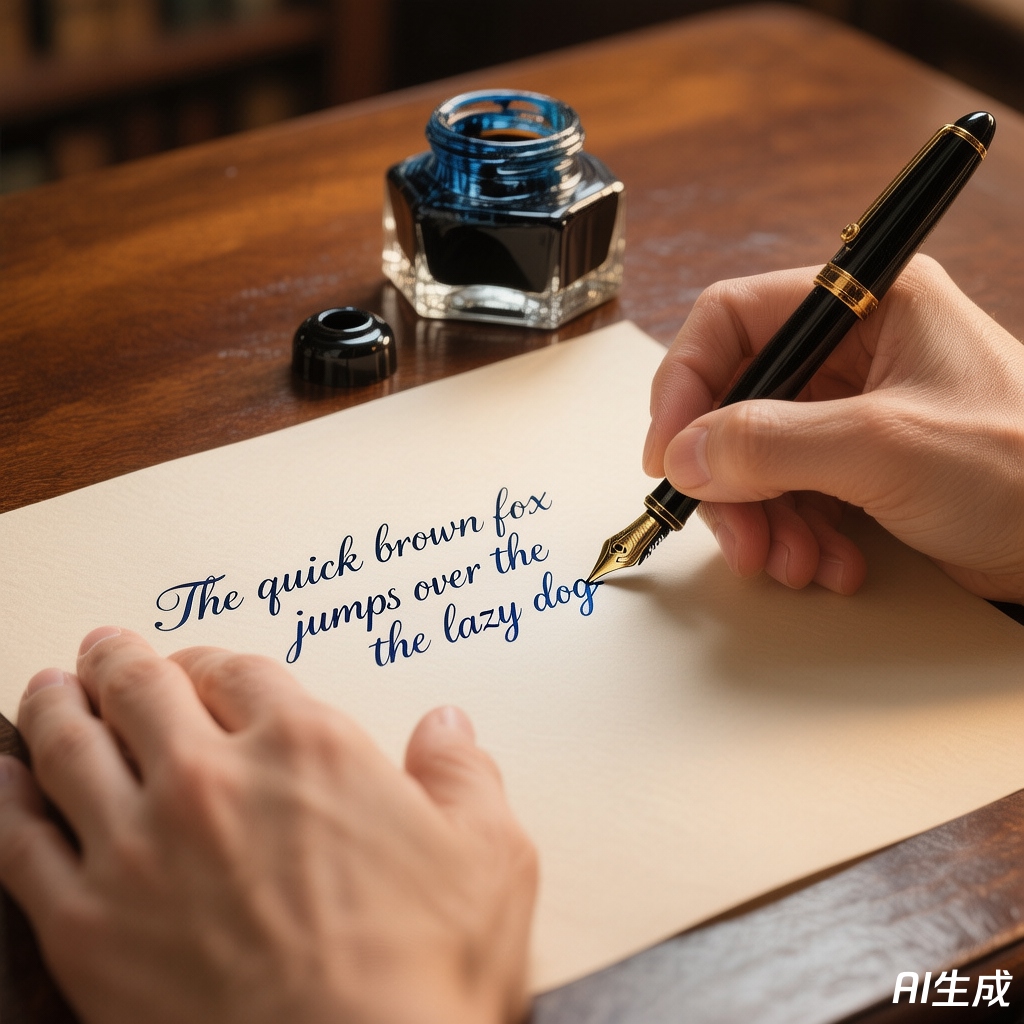
In a world that rewards speed over depth, noise over nuance, writing remains one of the most radical acts of self-reclamation. For over 5,000 years, humans have turned to the written word not just to record, but to heal, clarify, and create. And modern science now confirms what poets and philosophers have always known: writing isn’t just communication—it’s cognitive and emotional alchemy. Just 15–20 minutes of expressive writing a few times a week can lower blood pressure, boost immune function, reduce anxiety, and rewire the brain for clarity. Whether journaling, crafting stories, or drafting emails with care, writing transforms inner chaos into coherence. It doesn’t just reflect your thoughts—it shapes them. And in doing so, it gives you back your power.
At Tips Expensive, we believe true luxury lies in practices that return you to yourself. And writing? It’s soul work with a pen. No audience needed. No perfection required. Just you, your thoughts, and the quiet courage to make them visible. In an age of digital noise, writing is not outdated—it’s essential medicine.
1. Emotional Healing—Turning Pain into Clarity
Dr. James Pennebaker’s groundbreaking research revealed that people who wrote about emotional upheavals for just 15 minutes a day over 4 days showed improved immune function, reduced doctor visits, and lower levels of depression for months afterward.
Why? Writing forces fragmented emotions into narrative form—creating order from chaos. It’s not catharsis through venting. It’s integration through structure. You don’t just feel better—you understand better.
2. Mental Clarity & Problem-Solving
Writing externalizes your thoughts, freeing up working memory and revealing hidden patterns. When you write down a problem, you activate the prefrontal cortex—the brain’s logic center—while calming the amygdala (fear center).
CEOs, therapists, and creatives use “brain dumps” and morning pages to cut through mental fog. The pen doesn’t just record—it illuminates. Solutions appear not in the storm of thought, but in the calm of the page.
3. Memory & Learning Enhancement
Students who take notes by hand (not typing) retain information longer because writing engages deeper cognitive processing. The act of forming letters and summarizing concepts strengthens neural encoding.
Journaling daily experiences also boosts episodic memory—helping you recall details, decisions, and personal growth over time. Your journal becomes an external hard drive for your life.
4. Self-Awareness & Personal Growth
Writing creates distance between you and your thoughts. On the page, you can see your patterns: the recurring fears, the self-sabotage, the quiet dreams you’ve ignored. This awareness is the first step toward change.
As Carl Jung wrote, “Until you make the unconscious conscious, it will direct your life and you will call it fate.” Writing is the tool that brings the unconscious into the light.
5. Creativity & Idea Incubation
Great ideas rarely arrive fully formed. They emerge through messy, iterative writing. Free-writing, mind-mapping, and sketching in notebooks allow your subconscious to surface connections your logical mind misses.
From da Vinci’s codices to Marie Curie’s lab notes, breakthroughs begin not in the mind—but on paper. Writing isn’t the end product—it’s the birthplace.
6. Stress Reduction & Nervous System Regulation
Writing about stressful events lowers cortisol and heart rate by giving the nervous system a sense of control. Naming emotions (“I feel overwhelmed”) reduces their intensity in the brain—a phenomenon called “affect labeling.”
Unlike ranting or ruminating, structured writing creates closure. You’re not just reliving the stress—you’re processing it. And that makes all the difference.
7. Legacy & Meaning-Making
Letters, journals, memoirs—these are time capsules of the human experience. Writing allows you to articulate your values, lessons, and love for those who come after you.
But legacy isn’t just for descendants. Every time you write, you affirm: My thoughts matter. My story matters. In a world that often silences, writing is an act of quiet rebellion.
8. A Ritual of Intentional, Mindful Luxury
At Tips Expensive, we honor practices that restore depth. Lighting a candle, opening a beautiful notebook, pressing pen to paper—it’s a sacred pause in a hurried world.
True luxury includes slowness. And writing rewards those who begin without agenda: no grammar policing, no audience, no goal—just flow. Because the most powerful words aren’t written for others. They’re written to find yourself again.
Writing is proof that the most powerful revolutions begin in silence—with a single word on a blank page. It doesn’t demand perfection. It invites honesty. In an age of distraction and performance, this ancient practice remains a timeless testament to the healing power of self-expression, clarity, and truth.
So today, don’t just think—write. Grab a notebook. Set a timer for 5 minutes. Write without stopping. Let the ink carry what your mind cannot yet hold. Because your next breakthrough, your deepest healing, your clearest thought—it’s already inside you. You just need to give it paper to land on.


Comments