
Prayer: The Sacred Practice That Calms the Mind, Strengthens the Soul
🕊️ Benefits of Prayer: The Sacred Practice That Calms the Mind, Strengthens the Soul & Anchors the Heart
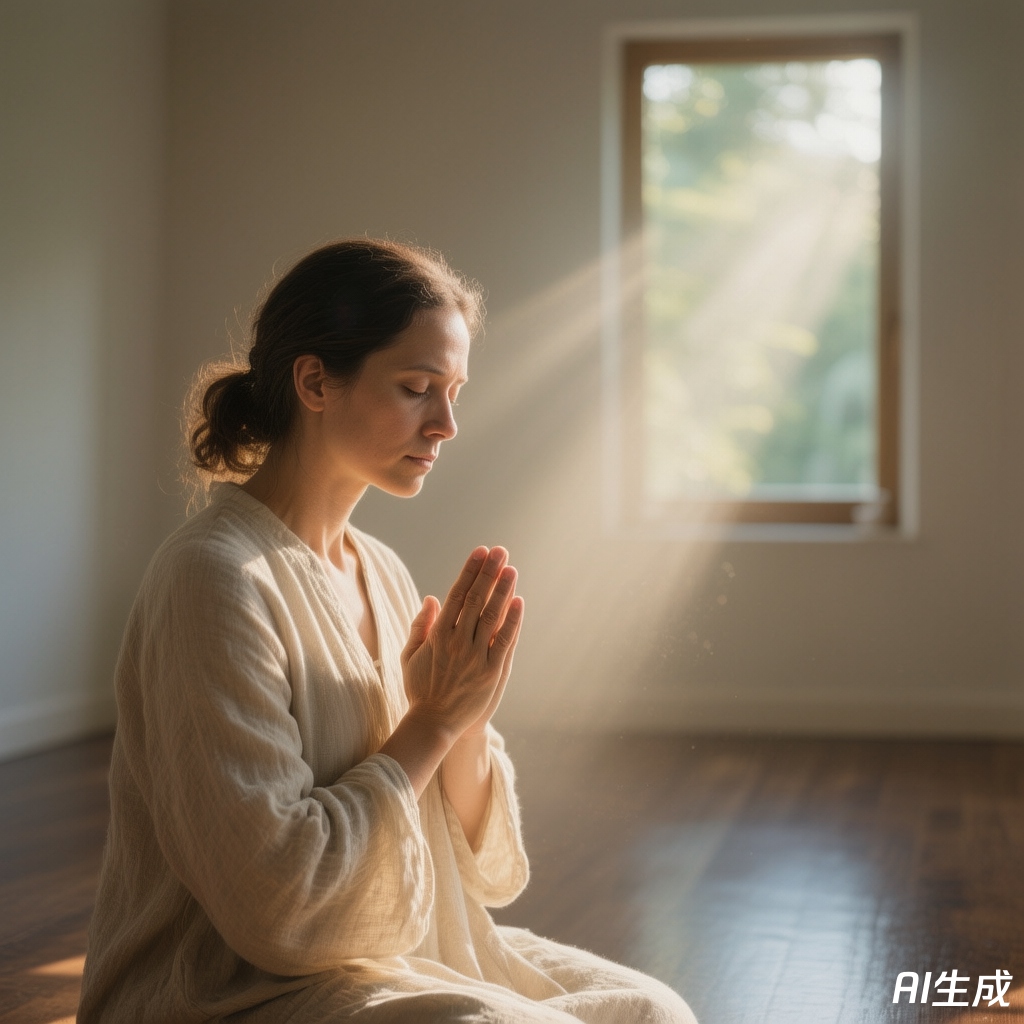
In a world of noise, speed, and self-reliance, prayer remains a quiet revolution. For over 5,000 years, across every continent and culture—from the whispered psalms of desert monks to the rhythmic chants of Hindu temples, from Muslim prostrations at dawn to Indigenous offerings to the Earth—prayer has been humanity’s most enduring lifeline to something greater than itself. Modern science now confirms what timeless wisdom has always known: prayer isn’t just spiritual ritual. It’s a profound neurobiological and psychological practice that reduces anxiety, strengthens resilience, fosters connection, and cultivates inner stillness. Whether you call it God, the Universe, Source, or simply “that which holds me,” prayer is the act of surrendering the illusion of control—and in that surrender, finding true peace. And it’s available to anyone, anywhere, at any moment.
At Tips Expensive, we believe true luxury lies not in control, but in trust. And prayer? It’s the ultimate act of releasing the weight of the world into hands wiser than your own. No doctrine required. No perfection demanded. Just a whisper, a breath, or a silent “help me”—and the quiet transformation that follows.
1. Deep Calm for an Anxious Mind
Neuroimaging studies show that prayer and meditative prayer activate the prefrontal cortex (logic and focus) while calming the amygdala (fear center). This lowers cortisol by up to 30% and slows heart rate—comparable to clinical relaxation techniques.
Unlike distraction, prayer addresses the root of anxiety: the feeling of being alone with your burdens. In prayer, you’re not abandoned. You’re held. And that changes everything.
2. Emotional Resilience in Crisis
People who pray regularly during hardship show lower rates of depression, PTSD, and emotional burnout. Why? Prayer fosters “surrender without resignation”—trusting that even in pain, there is meaning, support, and possibility.
It doesn’t deny suffering. It places it in a larger context. As the ancient saying goes: “Prayer doesn’t change God. It changes me.”
3. Enhanced Sense of Purpose & Meaning
Prayer connects daily life to a greater narrative. When you begin your day with intention—“Guide my words,” “Help me serve,” “Show me love”—you shift from reacting to responding.
Studies link regular prayer to higher life satisfaction, stronger moral clarity, and greater perseverance in long-term goals. You’re not just living. You’re participating in something sacred.
4. Social Connection & Compassion
Intercessory prayer—praying for others—activates brain regions tied to empathy and bonding. Those who pray for loved ones, strangers, or even enemies report increased compassion and reduced judgment.
Prayer dissolves isolation. Even when alone, you’re woven into a web of care—giving and receiving. It’s not escape. It’s deeper engagement with humanity.
5. Improved Sleep & Mental Clarity
Nightly prayer acts as a cognitive off-ramp from the day’s worries. By releasing control and affirming trust, the mind stops “rehearsing” problems in the dark.
Research from Baylor University found that people who pray regularly experience deeper sleep and fewer nighttime awakenings—not because life is easier, but because their nervous system feels safe.
6. Physical Health & Immune Support
While not a cure, prayer supports healing. Studies show that patients who pray (or are prayed for) often experience lower blood pressure, reduced pain perception, and faster post-surgical recovery.
Scientists attribute this to the mind-body connection: when stress drops, inflammation eases, and the immune system functions more efficiently. Prayer doesn’t replace medicine—it empowers it.
7. Humility & Reduced Ego Reactivity
In a culture of self-promotion, prayer is a quiet antidote to ego. It reminds you: I am not the center of the universe—but I am part of something vast and loving.
This humility reduces defensiveness, fosters forgiveness, and makes space for grace—both given and received.
8. A Ritual of Sacred, Mindful Luxury
At Tips Expensive, we honor practices that return you to your center. Lighting a candle, bowing your head, speaking aloud or in silence—it’s a sanctuary in a chaotic world.
True luxury includes stillness. And prayer rewards those who practice without performance: no perfect words, no grand gestures—just honesty. Because the most powerful prayers are often the quietest: “I don’t know what to do. But I’m here.”
Prayer is proof that the most transformative power often arrives in silence. It doesn’t demand belief. It invites presence. In an age of self-sufficiency and digital noise, this ancient practice remains a timeless testament to the healing power of surrender, trust, and connection to something greater than ourselves.
So today—whether you’re religious, spiritual, or simply seeking peace—pause. Breathe. Speak your truth into the quiet. You don’t need a temple. You don’t need answers. You just need to begin. Because healing doesn’t always come in solutions. Sometimes, it comes in a single whispered word: Help.


Comments