
Music: The Invisible Force That Heals the Mind, Moves the Body
🎵 Music: The Invisible Force That Heals the Mind, Moves the Body
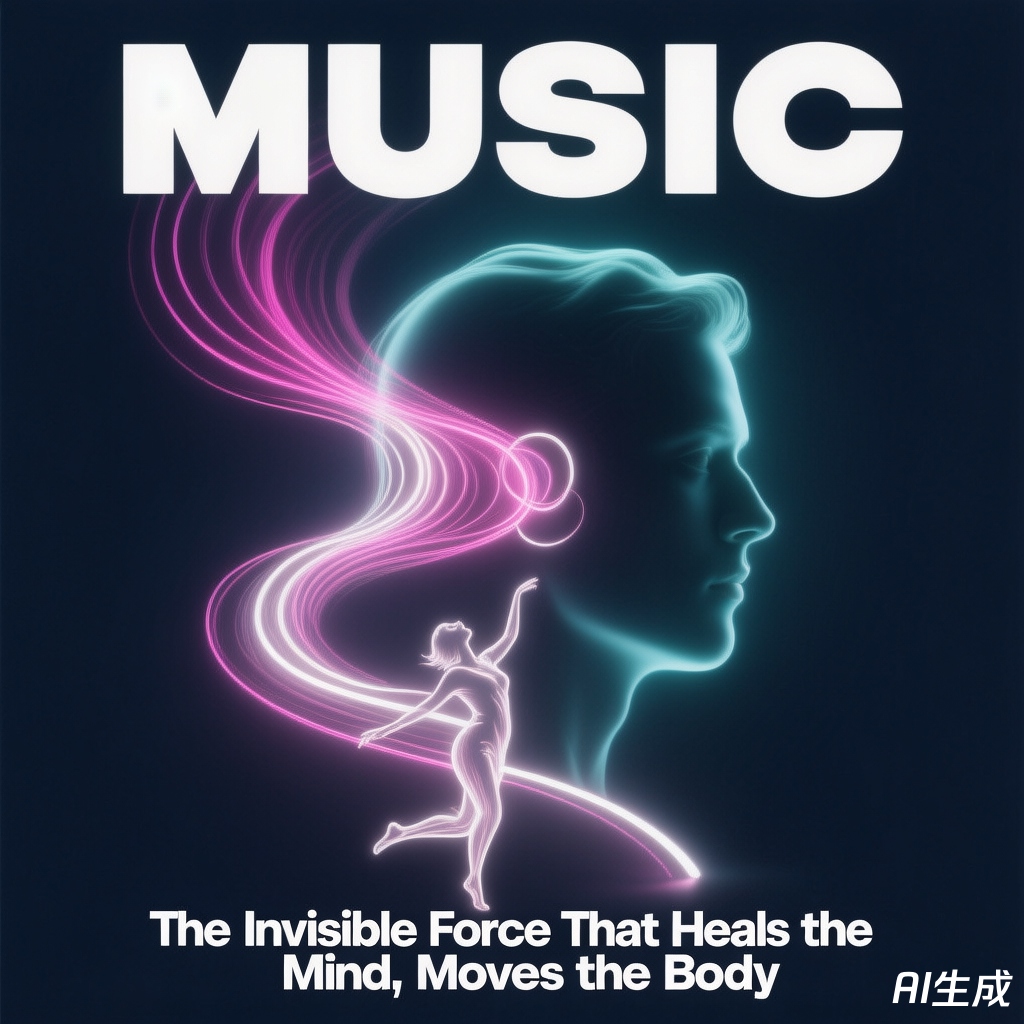
Since the first human tapped a rhythm on a hollow log, music has been more than entertainment—it’s been medicine, memory, and meaning. Every culture, in every era, has turned to music to mourn, to celebrate, to heal, and to transcend. And now, modern science reveals what our ancestors always knew: music isn’t just art. It’s a biological catalyst that rewires the brain, lowers stress, strengthens immunity, and connects us to something greater than ourselves. Whether you’re listening to a symphony, singing in the shower, or drumming on your steering wheel, music activates regions of the brain linked to emotion, memory, and reward—releasing dopamine, oxytocin, and endorphins in a way few experiences can match. In a world of noise and fragmentation, music remains a universal language that heals without words—and costs nothing but attention.
At Tips Expensive, we believe true luxury lies not in silence, but in sacred sound. And music? It’s the original soul technology. No subscription required. No special talent needed. Just press play, close your eyes, and let vibration do what words cannot.
1. Stress Reduction & Nervous System Calm
Listening to slow-tempo music (60–80 BPM) lowers cortisol by up to 25% and activates the parasympathetic nervous system—the body’s “rest-and-digest” mode. Heart rate slows. Breathing deepens. Muscles relax.
Hospitals use music therapy to reduce pre-surgery anxiety more effectively than medication. You don’t need a prescription—you need a playlist.
2. Memory & Cognitive Enhancement
Music lights up the hippocampus—the brain’s memory center. Alzheimer’s patients who can’t recall their own names often remember lyrics from their youth. This “reminiscence bump” is why music therapy is used globally to restore identity and connection.
Students who listen to classical music while studying show improved focus and information retention. The “Mozart effect” isn’t myth—it’s neural synchronization.
3. Mood Elevation & Emotional Release
Music triggers dopamine—the same neurotransmitter released during love, chocolate, or achievement. Upbeat songs boost serotonin; soulful ballads help process grief. Music doesn’t suppress emotion—it holds it.
Studies show that people who intentionally use music to regulate mood report higher emotional resilience and life satisfaction. Your playlist isn’t just background—it’s emotional first aid.
4. Physical Performance & Endurance
Athletes have long used music to push through fatigue. Rhythmic beats synchronize movement, reduce perceived exertion by 12%, and delay exhaustion.
Runners, weightlifters, and even surgeons use curated playlists to enter flow. Music doesn’t just motivate—it moves you, literally and neurologically.
5. Immune System & Pain Relief
Music increases immunoglobulin A (an antibody that fights infection) and natural killer (NK) cell activity. Post-surgical patients who listen to music require less pain medication and recover faster.
Chronic pain sufferers report significant relief from music’s ability to distract the brain and elevate mood. It’s not a cure—but it’s a powerful ally.
6. Social Bonding & Collective Joy
From tribal drum circles to stadium concerts, music synchronizes heartbeats, breath, and brainwaves between people. Singing in a choir releases oxytocin—the “bonding hormone”—deepening trust and unity.
In a disconnected world, music rebuilds the invisible threads between us. You don’t just hear it—you share it.
7. Creativity & Problem-Solving
Ambient or instrumental music activates the brain’s default mode network—the state where insight and imagination flourish. Companies like Google and Pixar design soundscapes to fuel innovation.
When words fail, music opens the door to new perspectives. It’s not noise—it’s neural fertilizer.
8. A Ritual of Sacred, Mindful Luxury
At Tips Expensive, we honor practices that return you to feeling. Lighting a candle, putting on vinyl, closing your eyes—it’s a sanctuary in a noisy world.
True luxury includes listening. And music rewards those who engage deeply: no multitasking, no scrolling—just presence. Because the richest moments aren’t seen. They’re heard.
Music is proof that healing doesn’t always come in pills or protocols. Sometimes, it arrives as a chord, a beat, a lyric that finds you exactly when you need it. In an age of distraction and digital overload, this ancient art remains a timeless testament to the power of vibration, emotion, and human connection.
So today—yes, today—press play. Let a song carry your grief. Let a rhythm lift your energy. Let a melody remind you: you are not alone. Because music doesn’t just fill the silence. It fills the soul.


Comments