
Gardening: The Grounding Practice That Heals Mind, Nourishes Body
🌱 Benefits of Gardening: The Grounding Practice That Heals Mind, Nourishes Body & Reconnects You to Earth
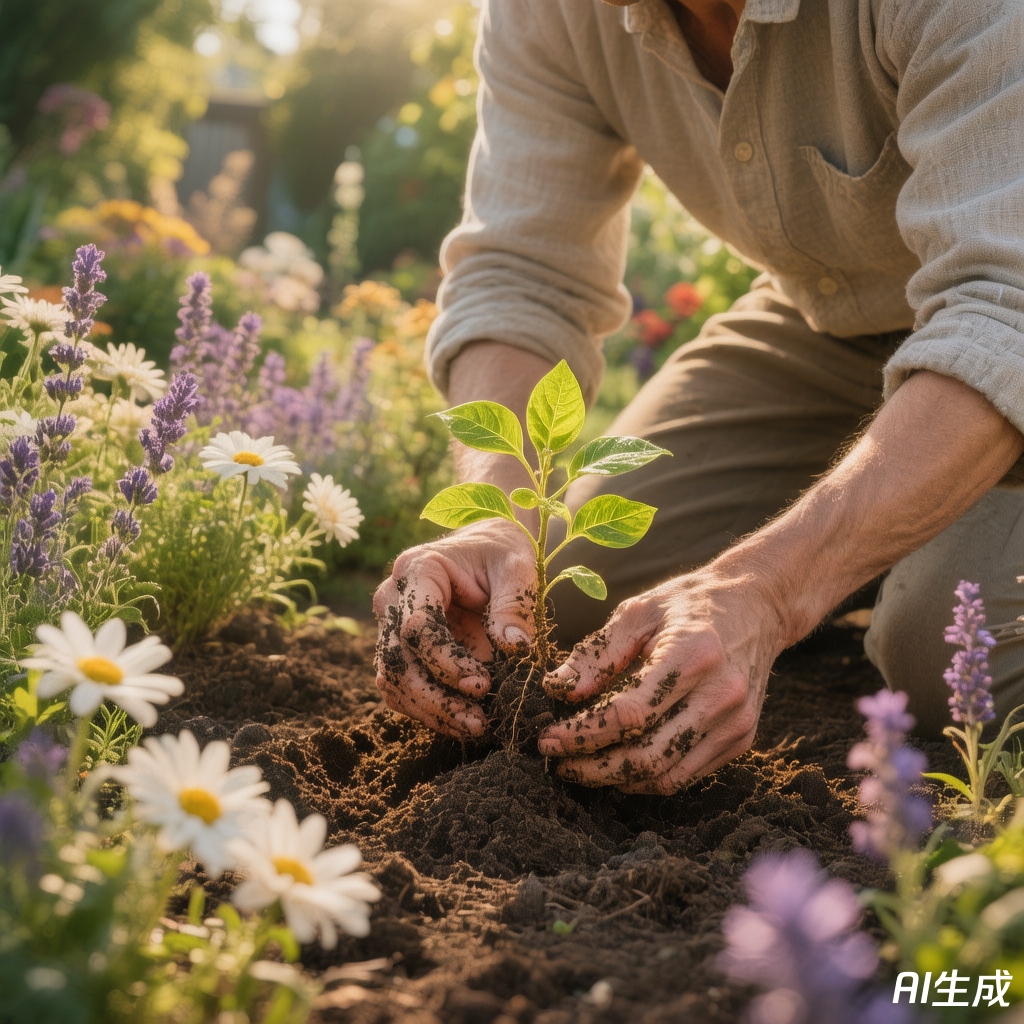
In a world of screens, speed, and synthetic living, gardening is a quiet act of rebellion—and restoration. For over 10,000 years, humans have shaped soil not just to grow food, but to nurture the soul. Today, modern science confirms what farmers, monks, and healers have always known: gardening isn’t just a hobby—it’s a full-spectrum wellness practice that reduces stress, boosts mood, strengthens the body, and reawakens our primal bond with the Earth. Whether you tend a windowsill herb pot, a backyard vegetable patch, or a community plot, the simple act of working with soil, seeds, and sunlight delivers profound psychological, physical, and even immunological benefits. In an age of disconnection, gardening is not escape. It’s homecoming.
At Tips Expensive, we believe true luxury lies not in consumption, but in cultivation. And gardening? It’s the ultimate act of co-creation with nature. No high-tech gear required. Just your hands, patience, and the quiet miracle of life unfolding—leaf by leaf, bloom by bloom.
1. Mental Health & Stress Relief—Nature’s Antidepressant
Gardening lowers cortisol—the primary stress hormone—by up to 30% and increases serotonin and dopamine through physical activity and exposure to natural light. But there’s more: soil contains Mycobacterium vaccae, a harmless bacterium that triggers the release of serotonin in the brain—earning it the nickname “the happy germ.”
Clinical studies show that just 30 minutes of gardening reduces symptoms of anxiety and depression as effectively as medication—without side effects. You don’t just grow plants. You grow peace.
2. Physical Exercise—Gentle, Full-Body Movement
Digging, weeding, planting, and watering engage core muscles, improve flexibility, and burn 200–400 calories per hour. Unlike gym routines, gardening feels purposeful—not punishing.
For older adults, it enhances balance, coordination, and hand strength—reducing fall risk and supporting independence. At Tips Expensive, we believe movement with meaning is the highest form of fitness.
3. Nutrient-Dense, Chemical-Free Food
Homegrown tomatoes, kale, or strawberries are harvested at peak ripeness—maximizing flavor, vitamins, and antioxidants. You control what goes into your soil: no pesticides, no plastic packaging, no hidden additives.
Eating food you’ve grown deepens gratitude and mindful eating. You’re not just feeding yourself—you’re participating in a cycle of care that begins in the earth and ends on your plate.
4. Immune System & Microbiome Support
Exposure to diverse soil microbes strengthens your immune system and gut microbiome—the foundation of overall health. Children who grow up around gardens have lower rates of allergies and autoimmune disorders.
“Dirt is not dirty,” scientists say. It’s data for your immune system—teaching it to distinguish friend from foe. In a sterile world, a little soil is medicine.
5. Cognitive Vitality & Lifelong Learning
Gardening requires planning, observation, problem-solving, and adaptability—keeping the mind sharp at any age. Seniors who garden show lower rates of dementia and greater cognitive resilience.
Every season brings new lessons: companion planting, composting, pest management. You never stop learning—because nature is the ultimate teacher.
6. Environmental Stewardship & Climate Action
Even a small garden supports pollinators, reduces food miles, captures carbon, and cools urban heat islands. Composting kitchen scraps closes the loop—turning waste into life.
Gardening isn’t passive sustainability. It’s active hope—rooted in soil, not slogans.
7. Purpose & Legacy
In a disposable culture, gardening cultivates patience and long-term thinking. You plant seeds you may never see fruit from—trusting future hands to harvest.
This “intergenerational care” fosters meaning. As one elder said, “I garden for those who will eat after I’m gone.” In uncertainty, that’s a profound act of faith.
8. A Ritual of Earth-Rooted, Mindful Luxury
At Tips Expensive, we honor practices that return you to rhythm. Kneeling in the soil at dawn, feeling the sun on your back, watching a seedling unfurl—it’s meditation in motion.
True luxury includes slowness. And gardening rewards those who begin small: a pot of basil, a few marigolds, a windowsill herb garden. You don’t need acres. You need attention. Because healing doesn’t always come from a bottle. Sometimes, it rises from the earth—quiet, green, and alive.
Gardening is proof that the most transformative practices are often the simplest. It doesn’t demand perfection. It invites presence. In an age of digital noise and artificial environments, this ancient art remains a timeless testament to the healing power of dirt, daylight, and deliberate care.
So this week—yes, this week—plant something. A seed. A cutting. A single herb in a reused jar. Let your hands remember what your screen has made you forget: you are part of nature, not apart from it. And in that reunion, you’ll find not just tomatoes or tulips—but tranquility, strength, and renewal.


Comments