
Calcium: The Structural Power That Builds Bones
🦴 Benefits of Calcium: The Structural Power That Builds Bones, Powers Nerves & Protects Your Lifelong Health
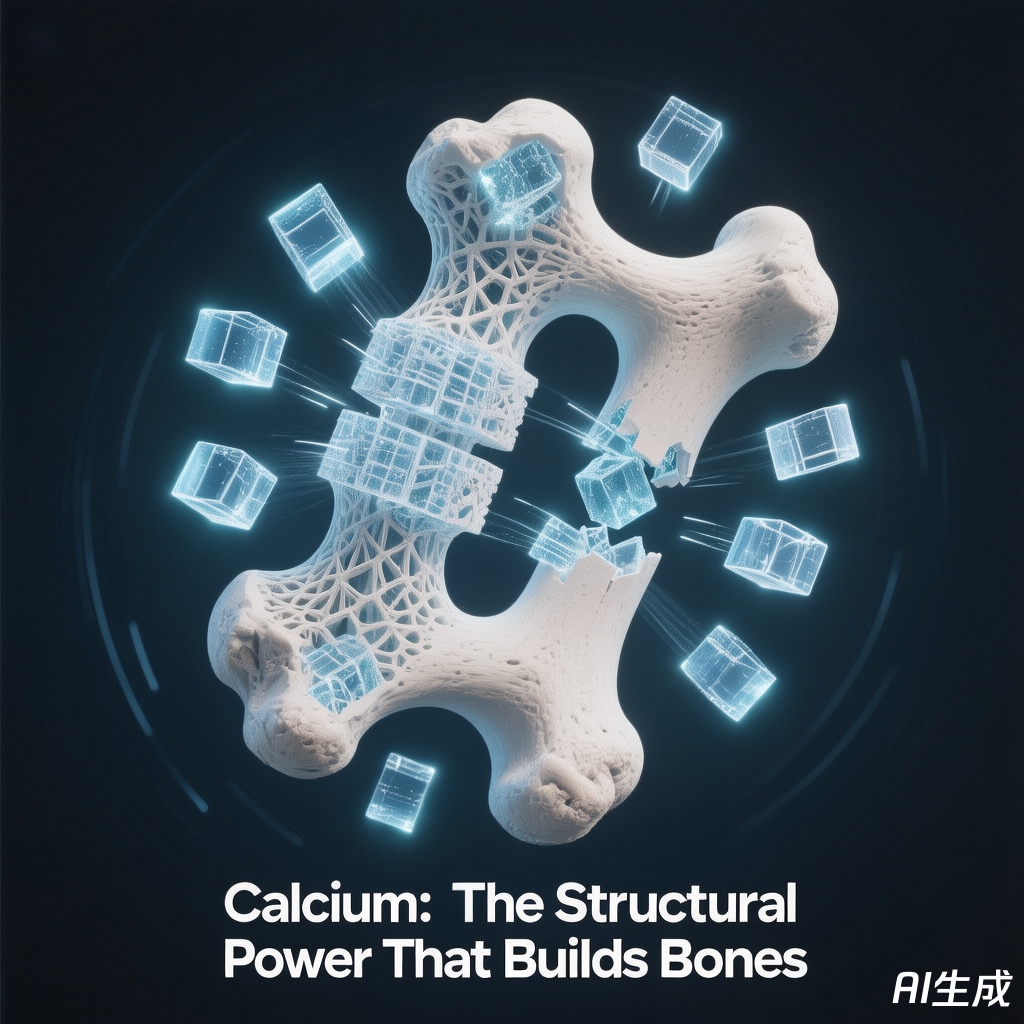
From the strength of your spine to the beat of your heart, calcium is the silent architect of your body’s structure and function. Most know it as the “bone mineral,” but calcium’s role extends far beyond skeletal health—it’s essential for nerve transmission, muscle contraction, blood clotting, and cellular communication. Yet modern diets—low in whole foods and high in processed grains and sodas—often fall short, while excessive supplementation without balance can do more harm than good. True calcium wisdom isn’t about megadoses—it’s about synergistic nourishment: getting calcium from real food, paired with its natural allies like vitamin D, K2, and magnesium. In an age of brittle bones and hidden deficiencies, understanding calcium’s full story is your first step toward lifelong resilience.
At Tips Expensive, we believe true luxury lies not in pills, but in presence—choosing foods that build your body from the inside out. And calcium? It’s the quiet foundation upon which vitality is built. Strong, steady, and essential.
1. Bone Density & Lifelong Skeletal Strength
99% of your body’s calcium resides in bones and teeth, where it provides structural integrity. Peak bone mass is built by age 30, and after that, maintenance is key. Without adequate intake, your body leaches calcium from bones to keep blood levels stable—a process that leads to osteoporosis.
But bones aren’t static—they’re living tissue. Weight-bearing exercise plus consistent, food-based calcium intake builds a resilient scaffold that supports you for decades. You’re not just preventing fractures. You’re building strength that lasts.
2. Muscle Contraction & Nerve Signaling
Every heartbeat, every breath, every thought relies on calcium. When a nerve fires, calcium floods into cells, triggering muscle fibers to contract. Low levels cause muscle cramps, spasms, tingling, and even arrhythmias.
Athletes, pregnant women, and older adults are especially vulnerable. Calcium doesn’t just build bone—it powers movement, from blinking to sprinting.
3. Heart Rhythm & Cardiovascular Support
Your heart’s electrical system depends on precise calcium flow. Too little causes irregular beats; too much (especially from unbalanced supplements) may contribute to arterial calcification.
Here’s the key: calcium works best with vitamin K2, which directs calcium into bones and away from arteries. Nature always provides balance—when you eat whole foods.
4. Blood Clotting & Wound Healing
Calcium is a critical co-factor in the coagulation cascade—the complex process that stops bleeding after injury. Without it, even minor cuts could become dangerous.
This ancient survival mechanism reminds us: calcium isn’t optional. It’s life-sustaining.
5. Cellular Communication & Enzyme Function
Inside every cell, calcium acts as a signaling molecule, regulating hormone secretion, enzyme activation, and gene expression. It’s involved in everything from insulin release to immune cell response.
You don’t just “have” calcium. You use it constantly—silently, seamlessly, and indispensably.
6. Dental Health & Jaw Integrity
Strong teeth aren’t just about brushing—they’re built from within. Calcium (with phosphorus and vitamin D) mineralizes enamel and supports the jawbone that holds teeth in place.
Traditional cultures with high-mineral diets had near-zero cavities—not because of fluoride, but because of nutrient-dense food.
7. PMS & Menstrual Comfort
Studies show that calcium supplementation (1,200 mg/day) significantly reduces PMS symptoms—mood swings, bloating, and cramps—by stabilizing hormone fluctuations and nerve sensitivity.
It’s not a quick fix. It’s biochemical balance, month after month.
8. A Ritual of Whole-Food, Mindful Luxury
At Tips Expensive, we honor minerals as nature intended—not isolated, but in concert. Prioritize bioavailable, food-based calcium: • Sardines with bones (325 mg per 3 oz) • Collard greens & kale (260 mg per cooked cup) • Almonds & tahini (sesame seeds: 140 mg per 2 tbsp) • Raw dairy or unsweetened yogurt (300 mg per cup) • Fortified plant milks (choose ones with D3 + K2)
Avoid relying solely on supplements—especially calcium carbonate without cofactors. Excess isolated calcium may increase heart disease risk. True strength comes from synergy: calcium + vitamin D (sunlight or food) + vitamin K2 (natto, grass-fed butter) + magnesium.
Calcium is proof that the strongest foundations are often invisible. It doesn’t promise miracles. It offers structure. In an age of quick fixes and fragmented nutrition, this essential mineral remains a timeless testament to the power of balance, food wisdom, and the quiet architecture of a resilient body.
So today—yes, today—add leafy greens to your smoothie, snack on almonds, or enjoy sardines on toast. Let your meals build more than a moment of satiety. Let them build a lifetime of strength—bone by bone, beat by beat, breath by breath.


Comments