
Anise: Soothes Digestion, Eases Breathing & Balances Hormones
🌿 Benefits of Anise: The Fragrant Superseed That Soothes Digestion, Eases Breathing & Balances Hormones
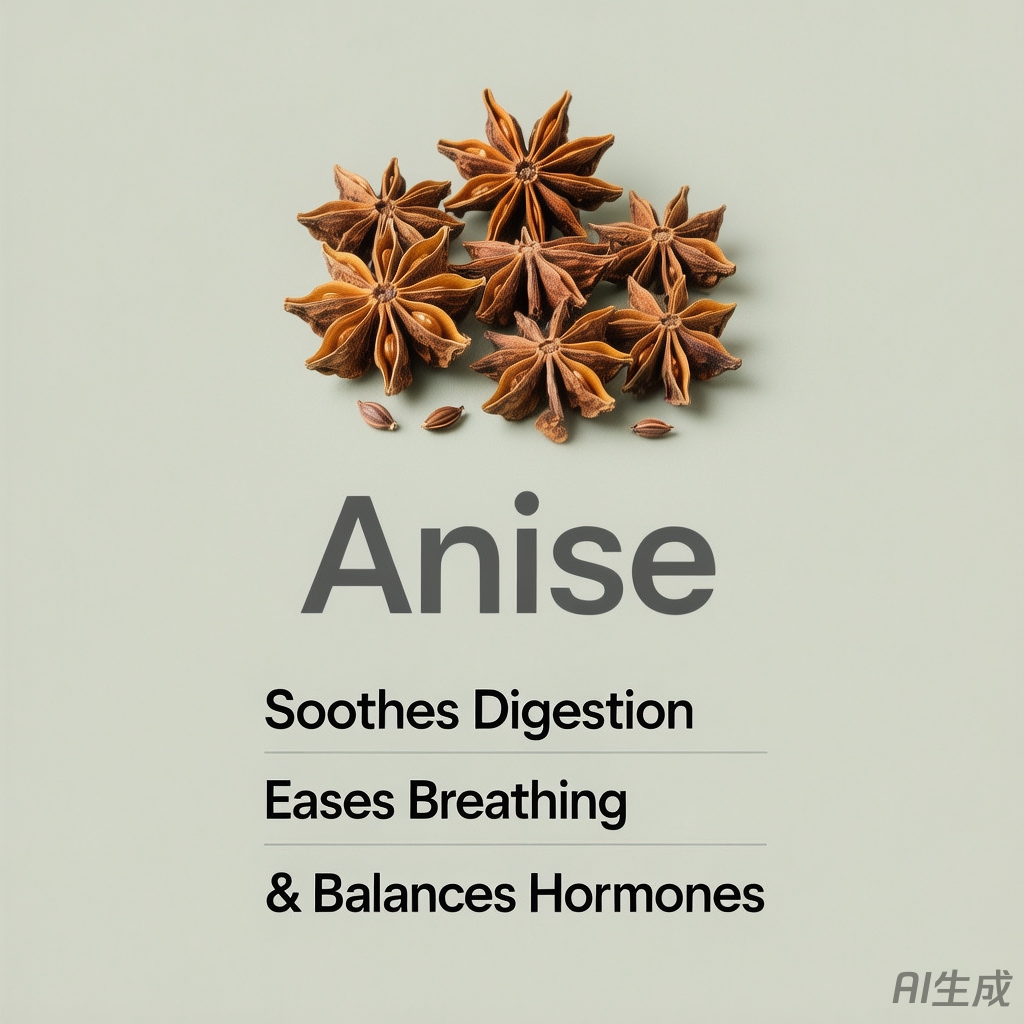
With its warm, sweet aroma reminiscent of licorice and a taste that dances between floral and earthy, anise has enchanted healers, chefs, and poets for over 4,000 years. Revered by ancient Egyptians in bread and medicine, prescribed by Greek physicians for digestive distress, and cherished across the Mediterranean and Middle East as a post-meal digestive, anise is far more than a flavoring agent. This unassuming seed is a potent medicinal powerhouse, rich in anethole, antioxidants, and phytoestrogens that support digestion, respiratory health, hormonal balance, and microbial defense. In an age of synthetic remedies, anise remains nature’s elegant, aromatic solution—gentle, effective, and deeply rooted in human wisdom.
At Tips Expensive, we believe true luxury lies in ingredients that serve your body with quiet intelligence. And anise? It’s harmony in seed form. Whether chewed whole, steeped in tea, or infused in culinary creations, it delivers clinical-grade wellness with fragrant grace. No lab isolates. No side effects. Just sun-dried seeds that have soothed stomachs, cleared airways, and balanced cycles since antiquity.
1. Digestive Harmony—Nature’s After-Dinner Remedy
Anise is a carminative—meaning it relieves gas, bloating, and intestinal spasms. Its essential oil, rich in anethole, relaxes smooth muscle in the gut and stimulates digestive enzyme secretion.
In traditional systems from Ayurveda to Unani medicine, chewing anise seeds after meals is a common practice to prevent indigestion and freshen breath. Modern science confirms: anise reduces symptoms of functional dyspepsia and IBS without harshness. It doesn’t suppress—it harmonizes.
2. Respiratory Relief—A Natural Expectorant & Decongestant
Anise has long been used to ease coughs, bronchitis, and congestion. Its volatile oils thin mucus, relax airway spasms, and soothe irritated mucous membranes.
In a 2017 clinical trial, anise syrup was as effective as conventional cough medicine in reducing nighttime cough frequency in children. A warm cup of anise tea with honey isn’t folklore—it’s gentle, plant-based respiratory support, validated by science.
3. Hormonal Balance—Especially for Women
Anise contains phytoestrogens that mimic estrogen in the body, making it a gentle ally for women experiencing PMS, menstrual irregularities, or perimenopausal symptoms like hot flashes and mood swings.
In a 2020 study, postmenopausal women who took anise extract daily for four weeks reported significant reductions in hot flash frequency and severity. Unlike synthetic hormones, anise doesn’t override—it modulates, offering balance without disruption.
4. Antimicrobial & Antifungal Defense
Anethole—its star compound—exhibits strong activity against bacteria like Staphylococcus aureus and fungi like Candida albicans. In traditional medicine, anise was used to preserve food and prevent infection.
When consumed regularly, it helps maintain a healthy microbial balance in the gut and urinary tract. It’s not a drug—it’s daily, edible hygiene.
5. Antioxidant & Anti-Inflammatory Protection
Anise seeds are rich in flavonoids like quercetin and apigenin, which neutralize free radicals, reduce DNA damage, and suppress inflammatory pathways linked to chronic disease.
Regular use—whether in cooking or as tea—offers low-level, consistent cellular defense against oxidative stress from pollution, poor diet, and emotional strain.
6. Lactation Support for Nursing Mothers
In folk medicine across Europe and the Middle East, anise is a trusted galactagogue—a substance that promotes breast milk production. Its phytoestrogens and essential oils are believed to stimulate prolactin, the milk-producing hormone.
While more large-scale studies are needed, centuries of traditional use and emerging clinical evidence support its gentle efficacy. Always consult a healthcare provider, but many mothers swear by a daily cup of anise tea for supply and calm.
7. Oral Health & Fresh Breath
Chewing anise seeds after meals isn’t just tradition—it’s functional oral care. Its antimicrobial compounds reduce plaque-causing bacteria, while its sweet aroma neutralizes odors naturally.
Unlike alcohol-based mouthwashes that dry the mouth, anise supports a healthy oral microbiome. It’s not masking—it’s cleansing, one seed at a time.
8. A Ritual of Aromatic, Mindful Luxury
At Tips Expensive, we celebrate ingredients that awaken the senses. Crushing anise seeds between your fingers—the burst of sweet, herbal perfume, the warm spice on your skin—it’s a moment of presence in a scentless, processed world.
And though it’s widely available, its legacy is profound: from Egyptian tombs to Turkish coffee ceremonies, anise bridges cultures with quiet elegance. True luxury includes intention—and anise rewards those who use it whole, fresh, and with respect.
Anise is proof that the most transformative nourishment often arrives with fragrance and grace. It doesn’t force. It invites. In an age of synthetic solutions and harsh interventions, this ancient seed remains a timeless testament to nature’s ability to heal gently, deeply, and completely.
So this week, don’t just flavor with anise—experience it. Steep a cup of tea, chew a few seeds after dinner, or add it to baked goods. Let its sweetness remind you that true wellness isn’t loud—it’s deeply, deliciously aromatic.


Comments